Tragedy Strikes Venezuela as Quake Toll Surges
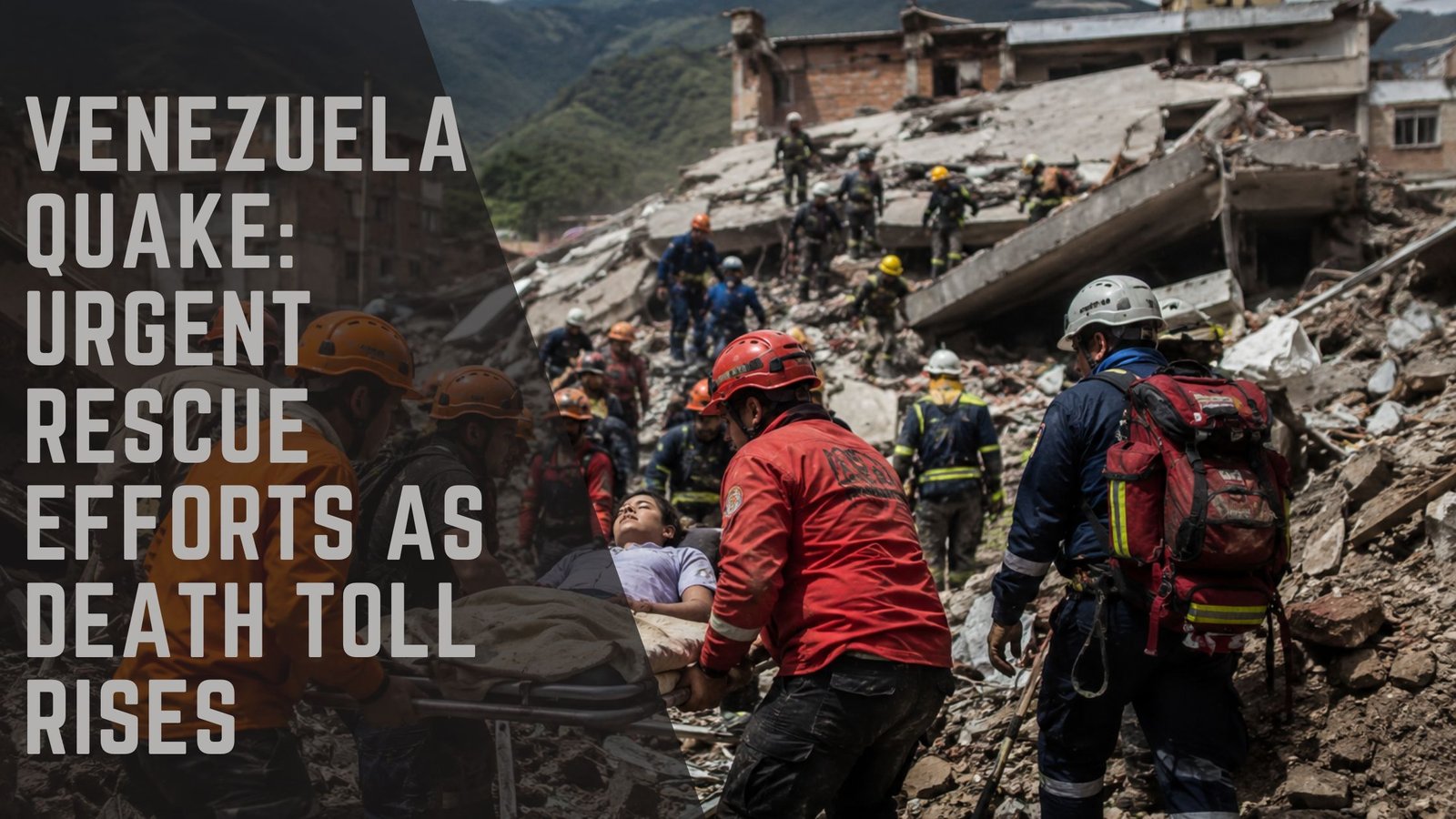
In the aftermath of two powerful earthquakes that rocked Venezuela, the nation faces a mounting crisis as the death toll has reached 920, with over 51,000 individuals unaccounted for. As rescuers race against the clock, the urgency of the situation becomes more pronounced with each passing hour.
Restricted Access Hampers Rescue Operations
The epicenter of the devastation, La Guaira, has been cordoned off by authorities in response to the chaos that has impeded rescue efforts. Access now requires official permits, though specifics on eligibility for entry remain vague. This restriction is intended to streamline operations, but concerns about its effectiveness persist amid the overwhelming need for assistance.
Citizens Take Initiative Amid Resource Scarcity
With government rescue teams perceived as sparse, many Venezuelans have taken it upon themselves to search for missing loved ones. The human toll continues to climb, and the disparity between official rescue efforts and public expectations has become a source of frustration for many. Workers and volunteers are seen tirelessly digging through debris in hopes of finding survivors.
Critical Time Frame for Surviving Quake Victims
Rescue agencies emphasize the importance of the initial 48 to 72-hour window for finding survivors, although this period can extend if individuals have access to sustenance. Jorge Rodríguez, the president of the National Assembly, underscores the gravity of the situation, asserting transparency about the scale of the disaster.
Emotional Pleas and International Aid
Residents of La Guaira, like Nazareth Jimenez, are inundated with anxiety as they await news of their missing relatives. The local community continues to call for international support, specifically for machinery capable of moving large debris. Meanwhile, acting President Delcy Rodríguez has welcomed international aid, acknowledging the militarization of the area to facilitate rescue operations.
Political and Economic Challenges Compound Crisis
The earthquakes strike a country already grappling with profound economic turmoil. Acting President Rodríguez, who assumed office following the ousting of former President Nicolás Maduro, faces significant challenges in leading recovery efforts. The political legitimacy of her government remains contested, adding layers of complexity to the crisis response.
Humanitarian Needs and International Response
The International Organization for Migration estimates that up to 6.76 million people could be impacted by the disaster, with a significant portion residing in Caracas. The rapid succession of the quakes has exacerbated the destruction, leaving many residents terrified to return to their homes. International Red Cross officials note that fear remains prevalent, as many continue to sleep outdoors.
Community Resilience Amidst Devastation
Despite the adversity, stories of resilience emerge. Omar Reyes mourns the loss of approximately 20 family members, yet remains determined amid the rubble. In Maiquetia, the community adapts to new realities, with makeshift shelters and improvised distribution of necessities like food and water becoming commonplace.
International Support and Cooperation
Efforts to bolster rescue missions are underway, with 861 volunteers from various countries, including the U.S., Mexico, and Colombia, actively participating in relief operations. Acting President Rodríguez has engaged in dialogue with U.S. leadership, securing commitments for further aid and resources to support ongoing efforts.