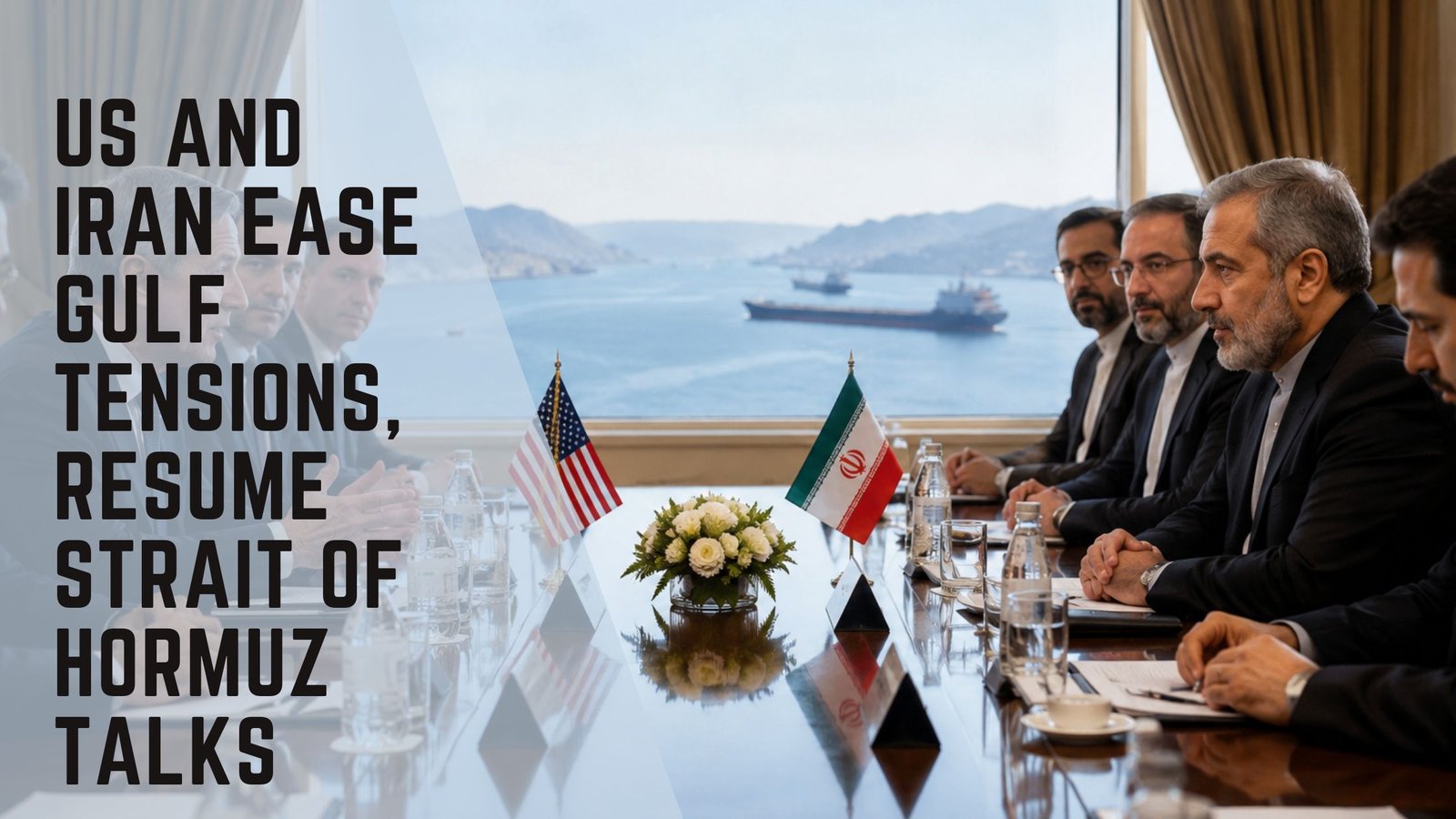
In a significant diplomatic development, the United States and Iran have agreed to suspend recent hostilities and reopen dialogue regarding the strategic Strait of Hormuz, a crucial maritime passage. This decision marks a tentative step towards de-escalating the rising tensions that have gripped the region in recent days.
Memorandum of Understanding Facilitates Ceasefire
According to a U.S. official, both nations have committed to a temporary ceasefire, allowing for the restoration of maritime traffic through the Strait of Hormuz. This agreement is part of a 14-point memorandum signed on June 17, which outlines steps to ease tensions and resume diplomatic discussions. The talks are expected to reconvene in Qatar shortly, aiming to build on the existing framework and address broader issues.
Background of Escalation
The recent agreement follows a period of intense military exchanges. Iranian forces launched missile and drone attacks on U.S. military installations in Kuwait and Bahrain, while the U.S. responded with strikes on Iranian targets. Both parties accused each other of breaching the interim ceasefire, contributing to an escalating cycle of violence.
U.S. President Donald Trump issued stern warnings amid the hostilities, stating that the United States was prepared to take decisive military action if Iran did not adhere to the terms of the agreement. This rhetoric underscored the fragile nature of the ceasefire and the potential for renewed conflict.
Strategic Importance of the Strait of Hormuz
The Strait of Hormuz remains a focal point in the U.S.-Iran tensions, being one of the most critical channels for global energy supplies. Recent disruptions and attacks on vessels traversing this route have exacerbated concerns over energy security and market volatility worldwide. The interim agreement aims to reopen this vital waterway, creating a pathway for more comprehensive negotiations, including discussions on Iran’s nuclear activities.
Ongoing Regional Tensions
Despite the ceasefire between the United States and Iran, regional tensions persist. Israel has reported carrying out airstrikes on Hezbollah targets in southern Lebanon, further complicating the geopolitical landscape. Additionally, Gulf nations have faced missile and drone threats, though the interceptions have largely prevented significant damage. In Bahrain, however, authorities reported that a residential building was impacted, highlighting the ongoing risks.
Challenges to Diplomatic Progress
The decision to return to the negotiating table follows a week of heightened military activity that threatened to derail diplomatic efforts. While the mutual agreement to pause hostilities could stabilize the immediate situation, both nations have indicated a readiness to escalate militarily if provoked. This delicate balance underscores the challenges ahead in achieving lasting peace.
As the world watches closely, the outcome of the forthcoming talks in Qatar will be pivotal in determining the future direction of U.S.-Iran relations and the broader stability of the Gulf region. The international community remains hopeful that diplomacy will prevail over conflict, ensuring the security of vital shipping routes and promoting regional peace.