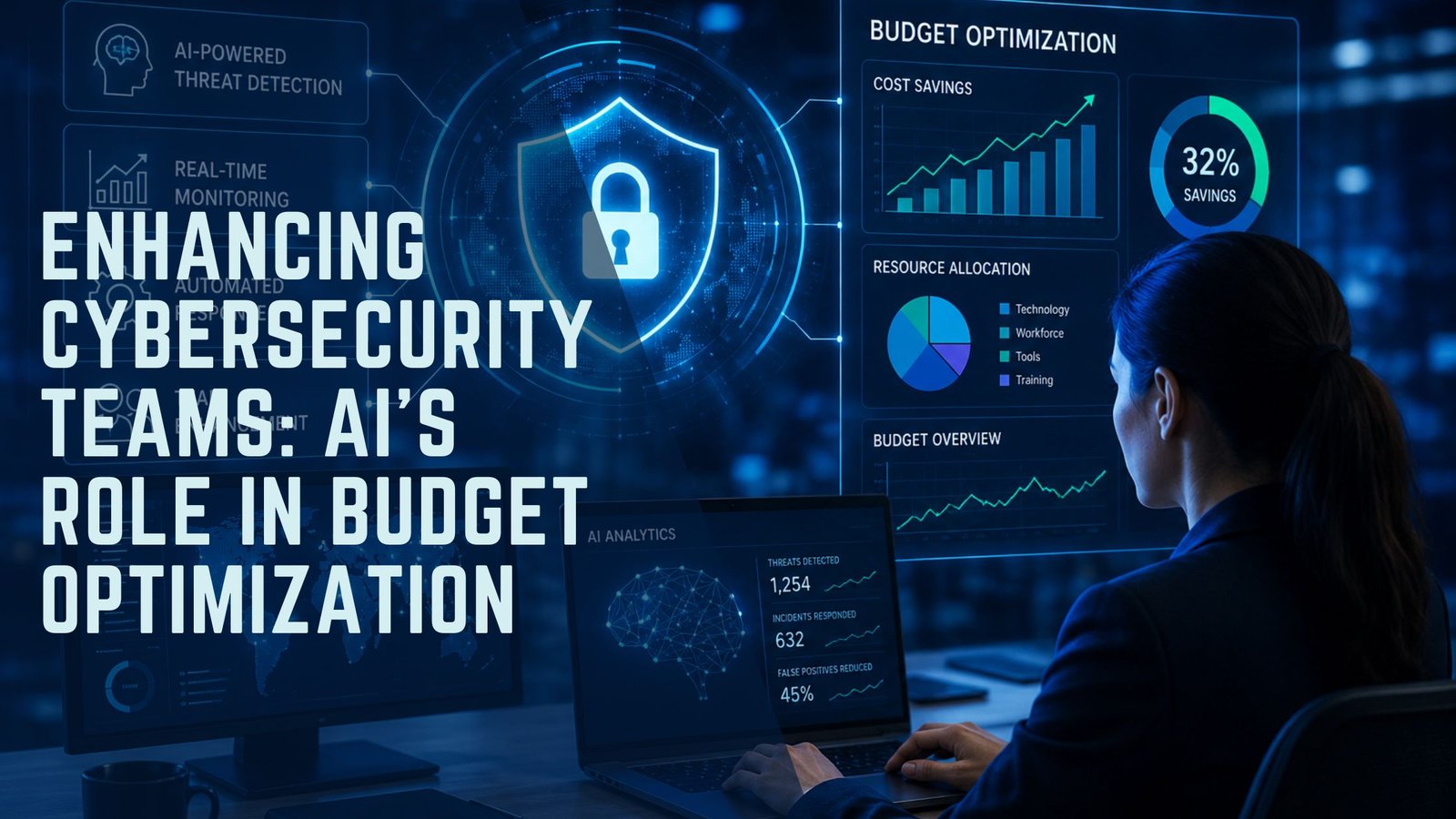
Revolutionizing Cybersecurity Efficiency with AI
In the rapidly evolving landscape of digital security, organizations are continuously seeking ways to optimize their cybersecurity teams for both efficiency and cost-effectiveness. Artificial Intelligence (AI) has emerged as a pivotal tool in this endeavor, offering innovative solutions that streamline operations and maximize budget allocation.
The Growing Demand for Cost-Efficient Cybersecurity
As cyber threats become increasingly sophisticated, the pressure on cybersecurity teams to manage and mitigate these risks intensifies. Organizations are often faced with the challenge of balancing the need for robust security measures with the constraints of limited budgets. This has necessitated a shift towards more strategic resource allocation, where AI plays a crucial role.
How AI Enhances Cybersecurity Operations
AI technologies provide cybersecurity teams with enhanced capabilities to detect and respond to threats more efficiently. By automating routine tasks such as data analysis and threat detection, AI allows human analysts to focus on more complex security issues. Machine learning algorithms can sift through vast amounts of data to identify patterns and anomalies that could indicate a security breach, providing valuable insights that would be impossible to obtain manually.
AI-Powered Threat Detection and Response
One of the most significant advantages of AI in cybersecurity is its ability to provide real-time threat detection and response. AI systems can continuously monitor network activity, alerting teams to potential threats as they arise. This not only reduces the time taken to respond to incidents but also minimizes potential damage to the organization’s systems.
Reducing Costs Through Automation
Automation is a key factor in reducing operational costs within cybersecurity teams. AI-driven tools can handle repetitive and time-consuming tasks, such as log analysis and compliance reporting, with greater accuracy and speed than human operators. This frees up valuable resources and allows teams to focus on strategic initiatives that require human intelligence and creativity.
Strategic Budget Allocation
Integrating AI into cybersecurity strategies enables organizations to make more informed decisions about budget allocation. By identifying which areas of their security infrastructure are most vulnerable to attack, companies can prioritize investments in those areas, ensuring that funds are deployed where they are most needed. This targeted approach not only enhances security but also ensures that budgets are used efficiently.
The Future of AI in Cybersecurity
Looking ahead, the integration of AI into cybersecurity is set to become even more pronounced. As AI technologies continue to evolve, they will offer increasingly sophisticated tools for threat detection and prevention, making them indispensable assets for cybersecurity teams. Organizations that leverage AI effectively will be better positioned to protect their digital assets while optimizing their security expenditures.
However, the adoption of AI in cybersecurity also presents new challenges, such as the need for skilled personnel who can manage and interpret AI systems. Training and development of current staff will be essential to harness the full potential of AI technologies.
Conclusion: A Paradigm Shift in Cybersecurity Strategies
The integration of AI into cybersecurity operations represents a paradigm shift in how organizations approach digital security. By enhancing the efficiency of cybersecurity teams and optimizing budgetary resources, AI is transforming the way businesses protect themselves against the ever-evolving landscape of cyber threats. As organizations continue to embrace these technologies, they will not only improve their security posture but also gain a competitive edge in the digital age.