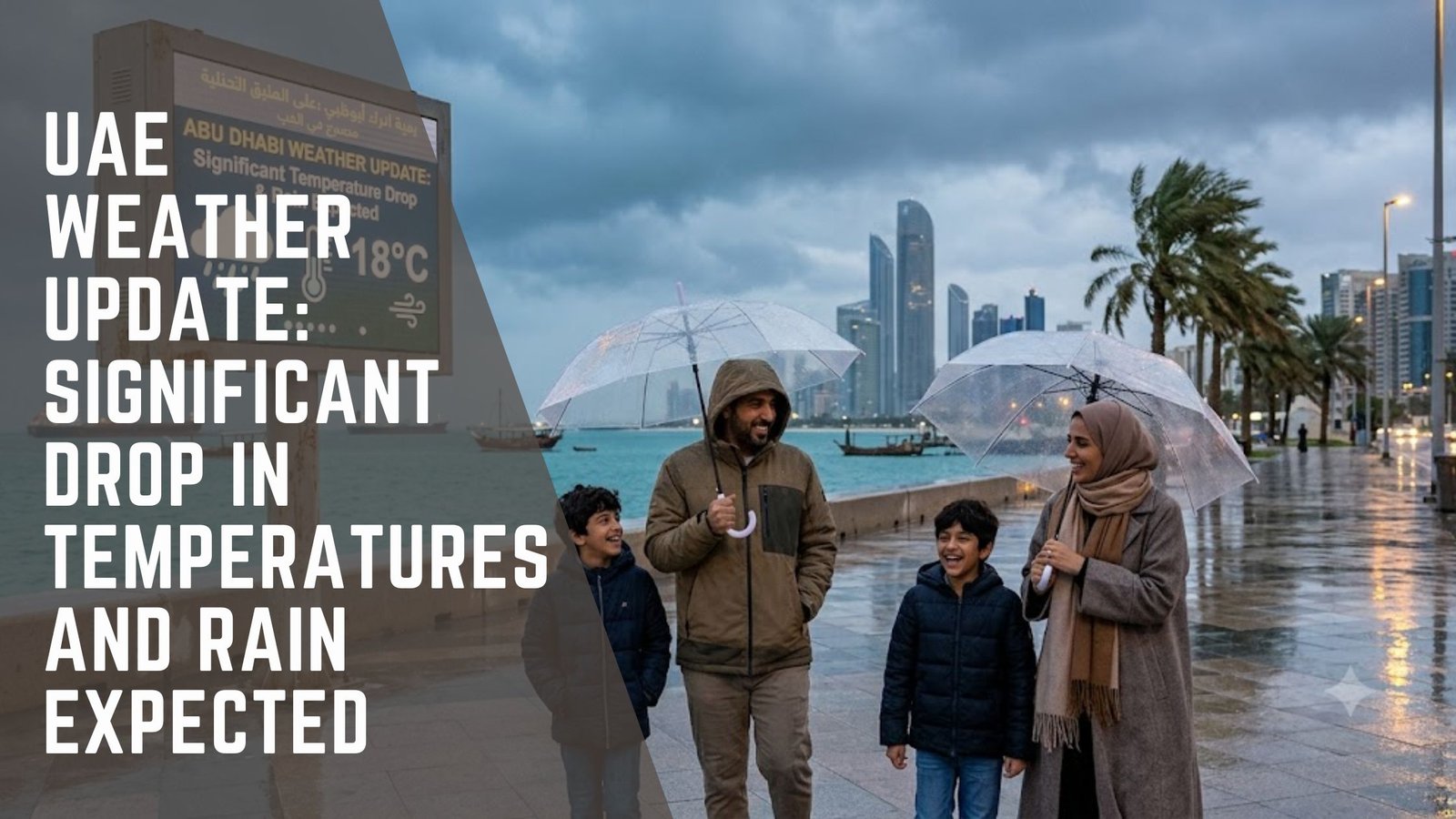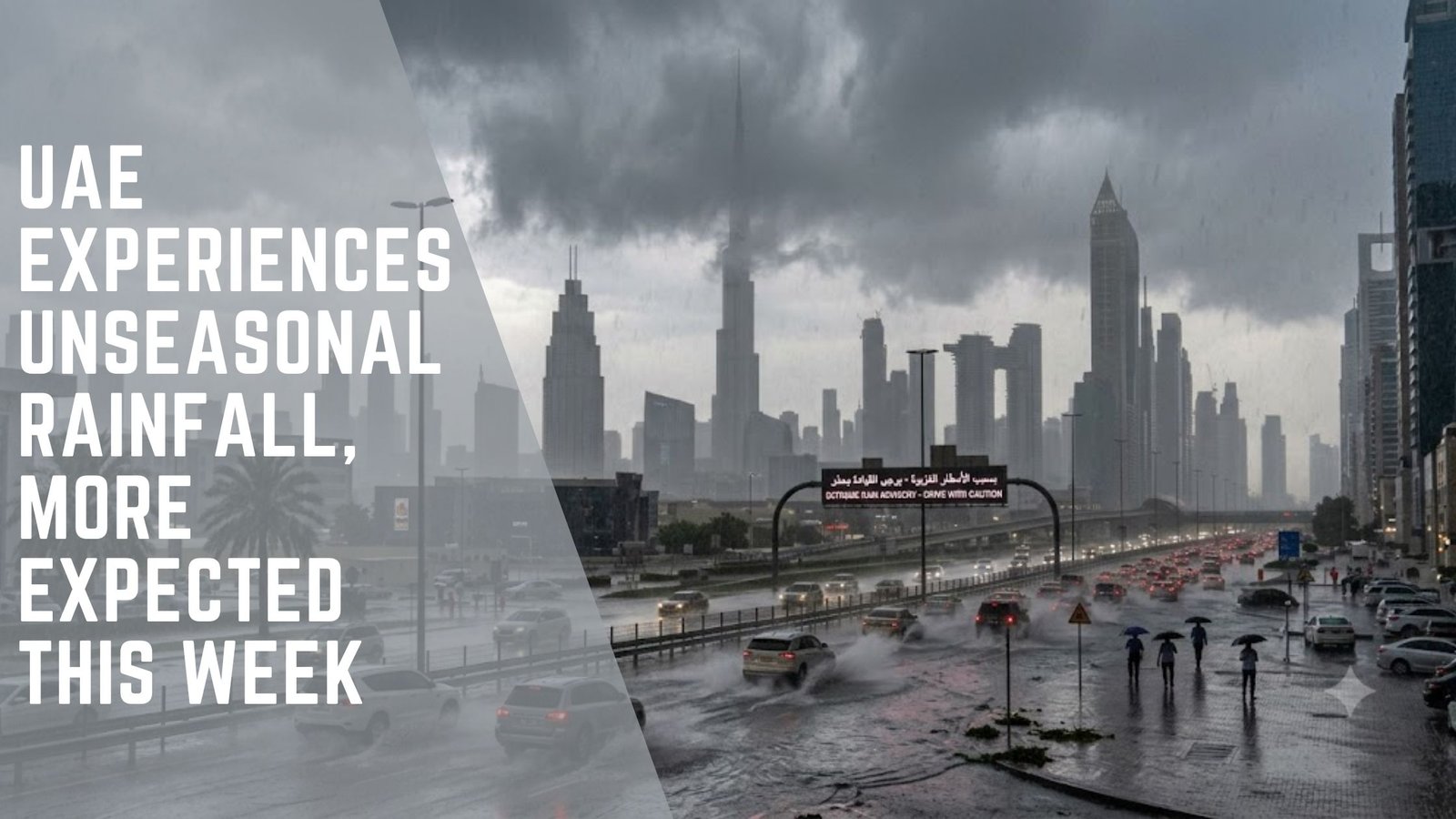
Dubai: The United Arab Emirates is bracing for an unusually wet October, with the National Centre of Meteorology (NCM) forecasting continued rainfall throughout the week. This increase in precipitation is set against a backdrop of waning temperatures and persistent humidity, creating a distinct weather pattern for the region.
Widespread Rainfall Expected
The NCM’s reports indicate a shift from the typically arid climate, with fair to partly cloudy skies giving way to convective cloud formations in the northern and eastern areas. This meteorological activity is expected to bring rainfall to regions such as Fujairah, Kalba, and other areas in the north and east, continuing over the next few days. According to the NCM’s October summary, rainfall levels have already surpassed the monthly average of 5.2mm, marking a notable deviation from the norm.
Impact on Daily Life
This weather shift may have diverse impacts on daily activities, as residents and businesses adjust to the uncharacteristic conditions. The agricultural sector, in particular, might see both challenges and opportunities as rainfall could influence crop yields. Meanwhile, urban areas may experience disruptions due to potential flooding and traffic delays.
Temperature Trends and Humidity Levels
Despite the increase in rainfall, the UAE is also witnessing a gradual decline in temperatures. Cities are experiencing cooler evenings and early mornings, although humidity remains high, particularly in coastal areas. Relative humidity levels are projected to reach up to 85% in Dubai and 80% in Abu Dhabi, which could lead to the formation of fog, especially during the early hours.
Temperature forecasts for today show Ras Al Khaimah reaching highs of 37°C, while Abu Dhabi, Dubai, Ajman, and Umm Al Quwain are expected to peak at 36°C. Sharjah will see a maximum of 35°C, and Fujairah, the coolest emirate, will have a high of 34°C.
Sea Conditions Advisory
Alongside the changes on land, sea conditions are also expected to vary. The Arabian Gulf is predicted to have slight to moderate conditions, with wave heights reaching up to two feet onshore and five feet offshore. Meanwhile, the Sea of Oman is forecasted to have slight conditions with waves rising to a maximum of three feet offshore. Residents and visitors are advised to exercise caution when engaging in maritime activities, particularly along the western coastline where conditions may be rougher.
Extended Weather Outlook
As the week progresses, the NCM advises the public to remain vigilant and prepared for weather changes. This includes keeping abreast of further updates and warnings issued by the meteorological authorities. The extended forecast suggests that this pattern of rain and cooler temperatures may persist, potentially affecting travel plans and outdoor events.
In conclusion, the UAE’s current weather conditions are a reminder of the dynamic nature of the region’s climate. With the combination of increased rainfall, humidity, and fluctuating temperatures, residents are encouraged to adapt to the evolving weather patterns while staying informed through reliable sources.