UAE Students Long for Traditional Classroom Experience
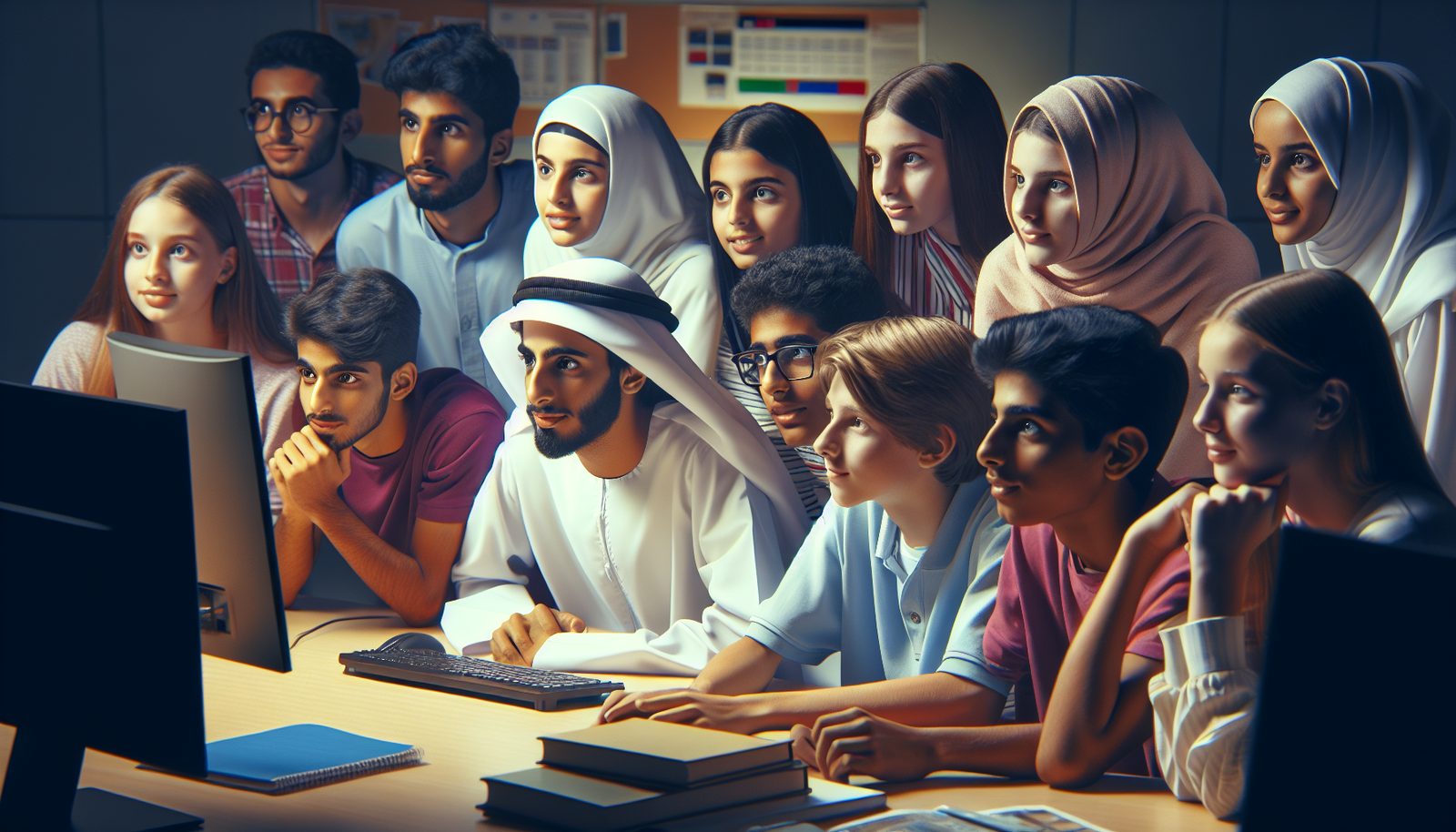
As the pandemic continues to reshape educational landscapes globally, students in the United Arab Emirates are expressing a longing for the physical classroom environment. Remote learning, though a necessary adaptation, has highlighted the irreplaceable facets of in-person education, particularly the social interactions and physical activities that students miss.
Impact of Remote Learning on Social Interaction
For many students, school is not just a place for academic pursuits but also a social hub where friendships are nurtured and social skills developed. The absence of face-to-face interaction has left students feeling isolated despite the digital connectivity offered by online platforms. Many students report missing the camaraderie of their peers, the spontaneous conversations, and the collective experiences that occur outside the formal curriculum.
The Role of Playgrounds in Student Development
Playgrounds, often overlooked in academic discussions, play a crucial role in the physical and social development of children. They provide a space for exercise, creativity, and collaboration—elements that are challenging to replicate in a virtual setting. For younger students, the playground is a venue for developing motor skills and learning the dynamics of teamwork and competition. The lack of such environments has been a significant downside of remote education.
Challenges of Maintaining Engagement Online
Teachers and students alike have faced the challenge of keeping engagement levels high in a virtual classroom. Without the physical presence of a teacher to offer immediate feedback and encouragement, some students struggle to maintain focus. The digital divide also contributes to disparities in learning experiences, with some students lacking the necessary resources to participate fully in online classes.
Adapting to a New Normal
While the transition to online learning has been rapid and, in many ways, effective, it has also required significant adjustments from both educators and students. Schools have had to innovate quickly, employing new technologies and teaching methods to bridge the gap left by the absence of physical classrooms. Despite these efforts, the consensus among students is that remote learning does not fully compensate for the traditional school experience.
Looking Forward: The Future of Education
As educational institutions navigate these unprecedented times, there is a growing dialogue about the future of education. Many experts suggest a hybrid model that combines the best of both online and in-person learning could be the answer. Such a model would allow students to benefit from digital resources while still enjoying the social and developmental advantages of a physical school environment.
Ultimately, while technology has provided a valuable lifeline during the pandemic, it has also underscored the essential human elements of education that technology alone cannot replace. As the world gradually moves towards recovery, the experiences of UAE students reiterate the importance of balancing innovation with tradition in the educational sphere.