UAE Authorities Take Action Against Online Incitement
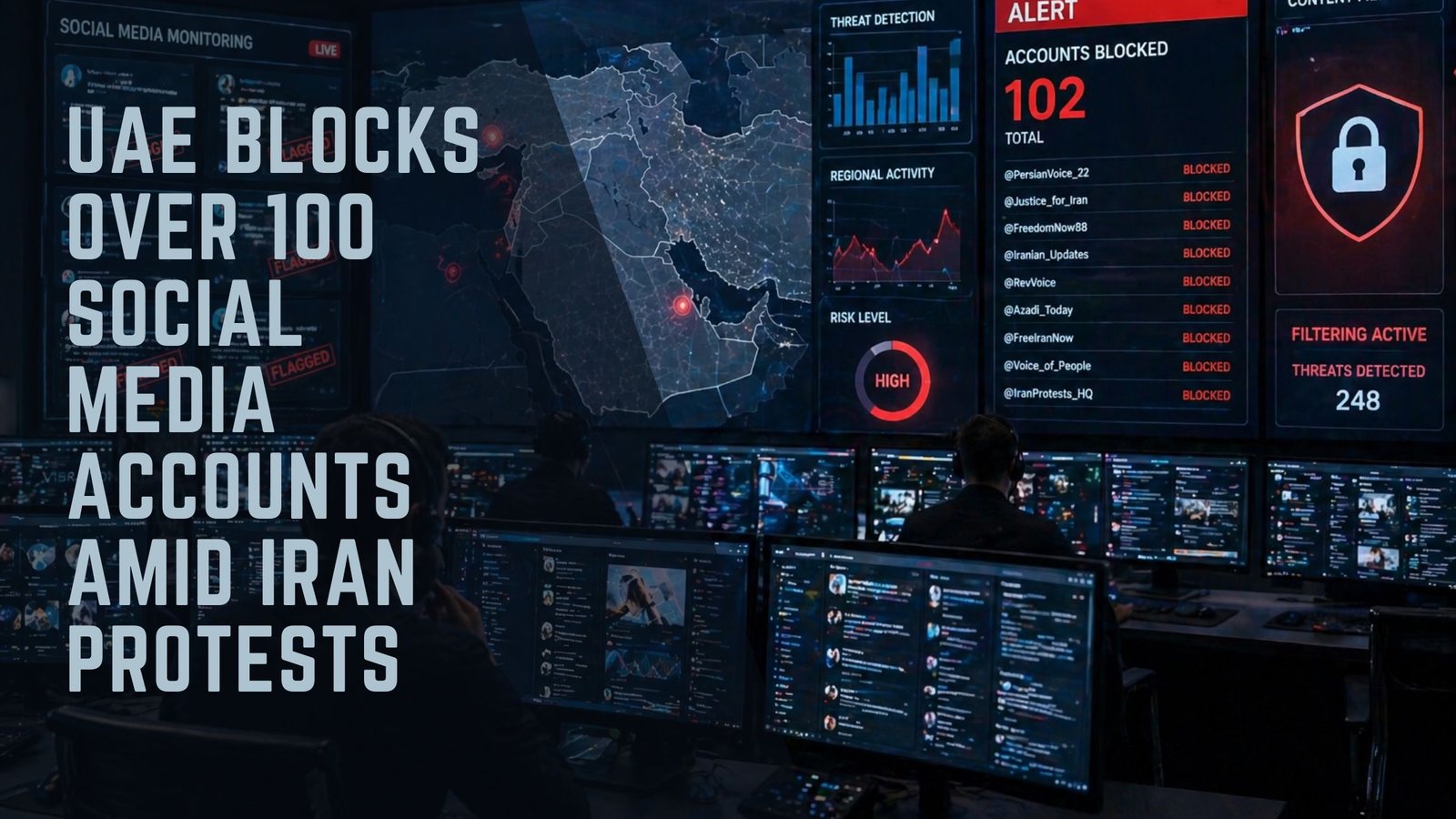
In a decisive move to curb the spread of online incitement linked to recent unrest in Iran, the United Arab Emirates has blocked more than 100 social media accounts. This action is part of a broader strategy to ensure regional stability and prevent the escalation of violence through digital platforms, according to a senior UAE official.
Social Media Platforms Under Scrutiny
As protests erupted in various parts of Iran, social media became a pivotal tool used by both demonstrators and those inciting violence. Platforms such as Twitter, Instagram, and Telegram have seen a surge in activity, with users sharing real-time updates and organizing gatherings. However, this digital engagement has also attracted actors promoting violence and unrest, prompting UAE officials to intervene.
The UAE’s Telecommunications and Digital Government Regulatory Authority (TDRA) spearheaded the initiative to block these accounts. According to the official, the accounts in question were found to be actively encouraging violent behavior, spreading misinformation, and attempting to destabilize the region.
International Cooperation and Cybersecurity
The UAE’s actions are part of a coordinated effort with international partners to maintain cybersecurity and counteract terrorism. The blocked accounts were linked to various groups and individuals who have been previously identified by global cybersecurity agencies as threats to regional peace.
“We are committed to maintaining peace and security in the region,” the official stated, emphasizing the importance of international cooperation in tackling digital threats. The UAE continues to work closely with its allies to monitor and respond to online activities that pose risks to national and regional stability.
Impact on Freedom of Speech
While the efforts to block these accounts have been largely supported by security experts and regional governments, some human rights organizations have raised concerns regarding the impact on freedom of expression. Critics argue that such measures could lead to the suppression of free speech and the rights of individuals to voice legitimate grievances.
The UAE government, however, has assured that its actions are targeted and precise, aimed solely at accounts that pose a threat to public safety and peace. “Our priority is to prevent violence and protect our citizens, while respecting international laws and human rights,” the official added.
Continued Vigilance Required
The blocking of these accounts marks a significant step in the UAE’s ongoing efforts to combat online extremism and ensure digital safety. With the ever-evolving nature of social media and digital communication, authorities remain vigilant against new threats and are continually updating their strategies to address them.
Experts suggest that as long as political unrest continues in the region, there will be a need for heightened surveillance and intervention to prevent the misuse of digital platforms. The UAE’s actions serve as a reminder of the critical role governments play in safeguarding national security in the digital age.
Looking Ahead
The situation in Iran and the broader Middle East region remains fluid, with potential implications for global security. As countries navigate these challenges, the role of digital platforms in both fostering communication and enabling unrest will continue to be closely examined.
The UAE’s proactive approach in managing digital threats could serve as a model for other nations grappling with similar issues. By balancing security needs with freedom of expression, the UAE aims to maintain stability and protect its citizens from the dangers of online incitement.