UAE Diplomatic Adviser Addresses Iranian Aggression
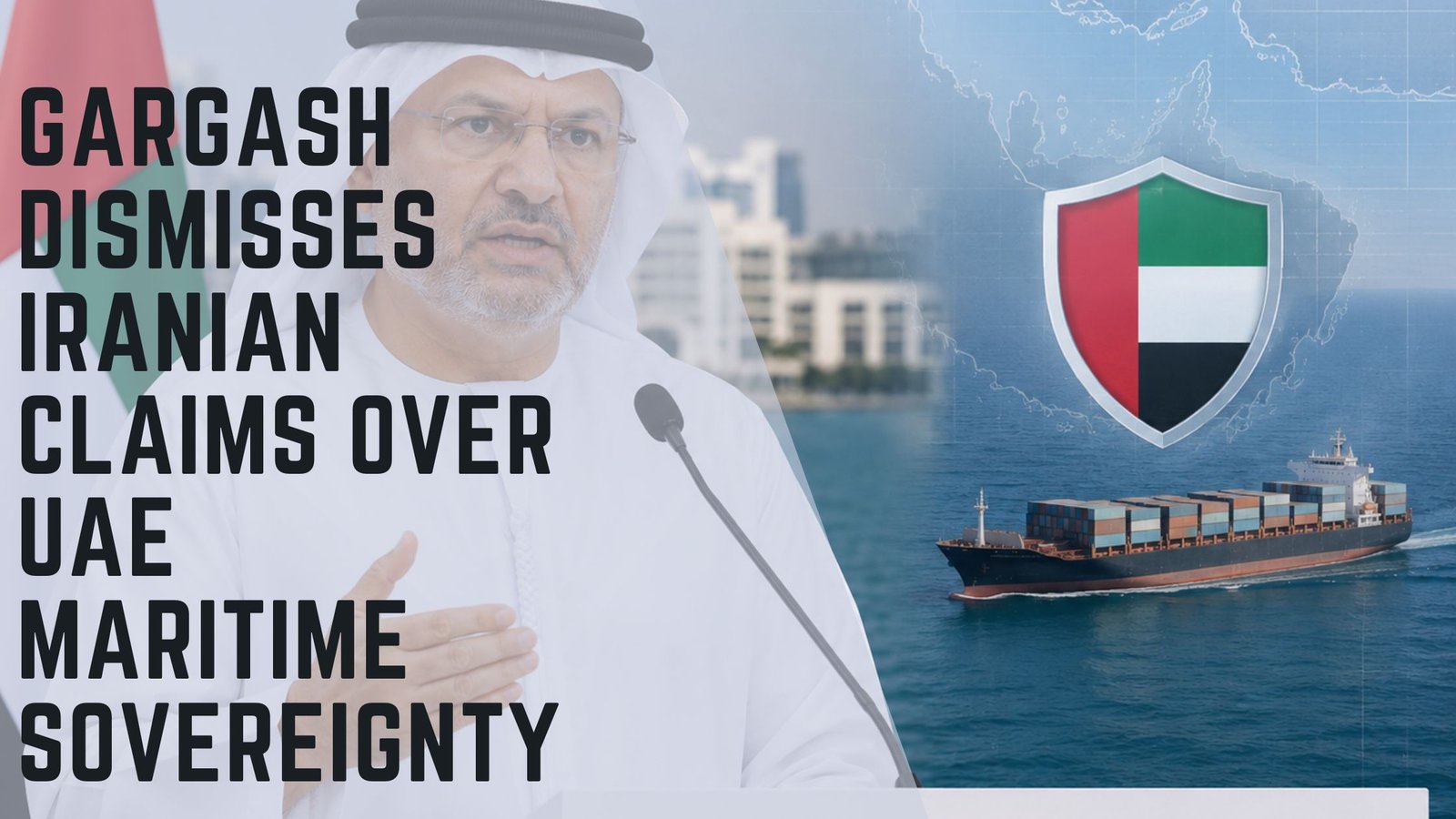
His Excellency Dr. Anwar bin Mohammed Gargash, the Diplomatic Adviser to President Sheikh Mohamed Bin Zayed Al Nahyan, has firmly rejected Iran’s attempts to challenge the maritime sovereignty of the United Arab Emirates (UAE). In a recent statement shared via his official account on the X platform, Dr. Gargash characterized these aspirations as unrealistic and described them as mere ‘pipe dreams.’
Longstanding Tensions in the Arabian Gulf
Dr. Gargash highlighted that the UAE has endured decades of what he termed ‘Iranian bullying,’ which has become an ingrained aspect of the political dynamics within the Arabian Gulf. He emphasized that over time, this aggressive behavior has eroded trust between nations, leading to a complex relationship marked by a stark contrast between hostile rhetoric and insincere overtures of friendship. The situation, according to Gargash, has deteriorated to the point where Iranian claims are viewed with skepticism.
Assessing the Current Geopolitical Landscape
In light of Iran’s recent actions, Dr. Gargash noted that the regime appears to be attempting to shift the geopolitical realities in the region following what he described as a clear military defeat. He asserted that Iran’s ambition to exert control over the strategically vital Strait of Hormuz or to infringe upon UAE maritime boundaries is fundamentally flawed. ‘Today, after the blatant Iranian aggression, the regime is trying to establish a new reality born from a clear military defeat,’ he stated, reinforcing the notion that such ambitions will not materialize.
Restoring Trust in Regional Relations
Addressing the broader implications of these tensions, Dr. Gargash asserted that any nation wishing to coexist peacefully within the Arab environment must acknowledge the absence of trust. He emphasized that rebuilding this essential component requires more than just rhetoric; it necessitates a commitment to responsible dialogue, respect for national sovereignty, and adherence to the principles of good neighborliness. ‘Anyone who wants to coexist with the Arab environment must realize that trust is missing, and restoring it cannot be done with slogans,’ he said. This call for responsibility indicates the UAE’s approach to international relations, one that prioritizes integrity and respect.
The Importance of Maritime Security
The Strait of Hormuz is a critical chokepoint for global oil transportation, with a substantial portion of the world’s oil trade passing through its waters. The strategic significance of this maritime corridor has made it a focal point in regional politics and security discussions. The UAE, alongside its Gulf Cooperation Council (GCC) partners, remains vigilant in ensuring the security of its maritime borders and sovereignty against external threats. Dr. Gargash’s statements serve as a reminder of the UAE’s commitment to safeguarding its interests amidst ongoing geopolitical challenges.
International Reactions and Future Implications
As tensions continue to escalate in the region, the international community is closely monitoring the situation. The UAE’s clear stance against Iranian aggression has garnered support from various allies, reinforcing the importance of collaborative efforts to maintain stability in the Gulf. Analysts suggest that the UAE’s diplomatic strategy will play a crucial role in shaping future interactions with Iran and other regional players. The emphasis on dialogue over confrontation may pave the way for a more stable and secure Arabian Gulf.
Conclusion: A Call for Responsible Diplomacy
Dr. Gargash’s remarks reflect a broader call for responsible and principled diplomacy in the face of regional challenges. The UAE’s focus on safeguarding its sovereignty and fostering trust among its neighbors underscores its commitment to a peaceful and prosperous future in the Arabian Gulf. As geopolitical dynamics continue to evolve, the UAE’s approach will be pivotal in navigating the complexities of regional politics.