India Embarks on Hydrogen Rail Journey
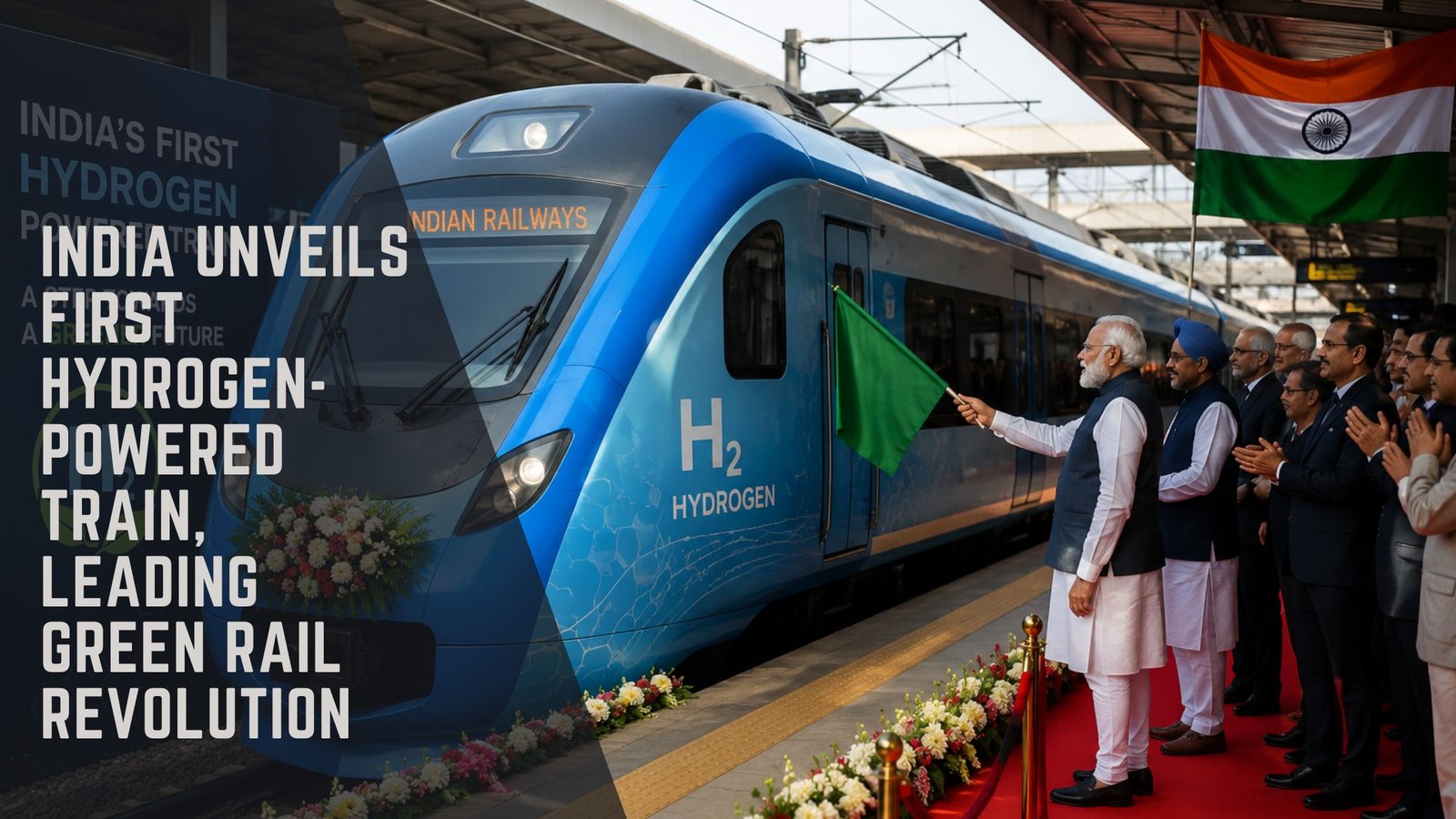
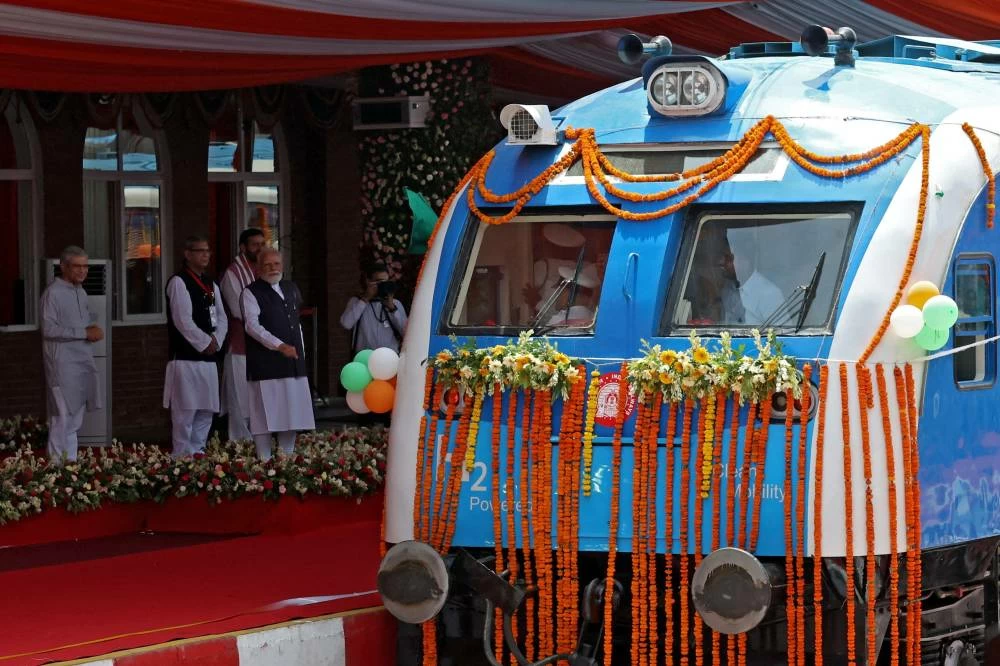
In a landmark move towards sustainable transport, Indian Prime Minister Narendra Modi inaugurated the nation’s pioneering hydrogen-powered train on Friday. This advancement places India among an elite group of countries including Germany, Japan, China, and the United States that have adopted this innovative, zero-emission technology.
Technological Leap in Rail Transport
The newly launched hydrogen train promises to revolutionize rail travel by producing only water vapor and heat as by-products, offering a cleaner alternative to conventional diesel locomotives. This significant step aligns with global efforts to transition towards more environmentally friendly transportation solutions.
Route and Capacity
Boasting a capacity of 2,600 passengers, the ten-coach train is set to operate twice daily between Jind and Sonipat in Haryana, a state neighboring India’s capital, Delhi. This 90-kilometer (55-mile) route marks the beginning of a broader strategy to integrate hydrogen technology into India’s vast rail network.
Commitment to Innovation
In his address during the flag-off ceremony, Prime Minister Modi emphasized India’s commitment to enhancing efficiency, reducing operational costs, and expanding the hydrogen train network. “This project combines state-of-the-art propulsion technology with dedicated hydrogen storage, refueling, and operational infrastructure,” a government statement elaborated.
Technical Specifications
Designed, engineered, and manufactured within India, the train can reach speeds of up to 75 kilometers per hour (47 miles per hour), powered by a robust 1,200-kilowatt hydrogen fuel cell propulsion system. This development underscores India’s growing capabilities in advanced transport technology.
Vision for a Sustainable Railway Network
India’s railway network, one of the largest globally, has been nearly fully electrified over its 70,000-kilometer (43,500-mile) broad-gauge tracks. This initiative is part of India’s broader goal to achieve net-zero carbon emissions in its railway operations by 2030, demonstrating the nation’s commitment to sustainable development.
Future Prospects
The successful integration of hydrogen-powered trains could pave the way for further advancements in India’s transportation sector. As India continues to explore and invest in clean energy solutions, the adoption of hydrogen technology may expand beyond railways, influencing other modes of transport.
By embracing hydrogen as a fuel source, India is poised to not only enhance its domestic transport infrastructure but also play a pivotal role in the global push towards sustainable energy solutions, setting a precedent for other nations to follow.