UAE and Iran: Navigating a Complex Diplomatic Landscape
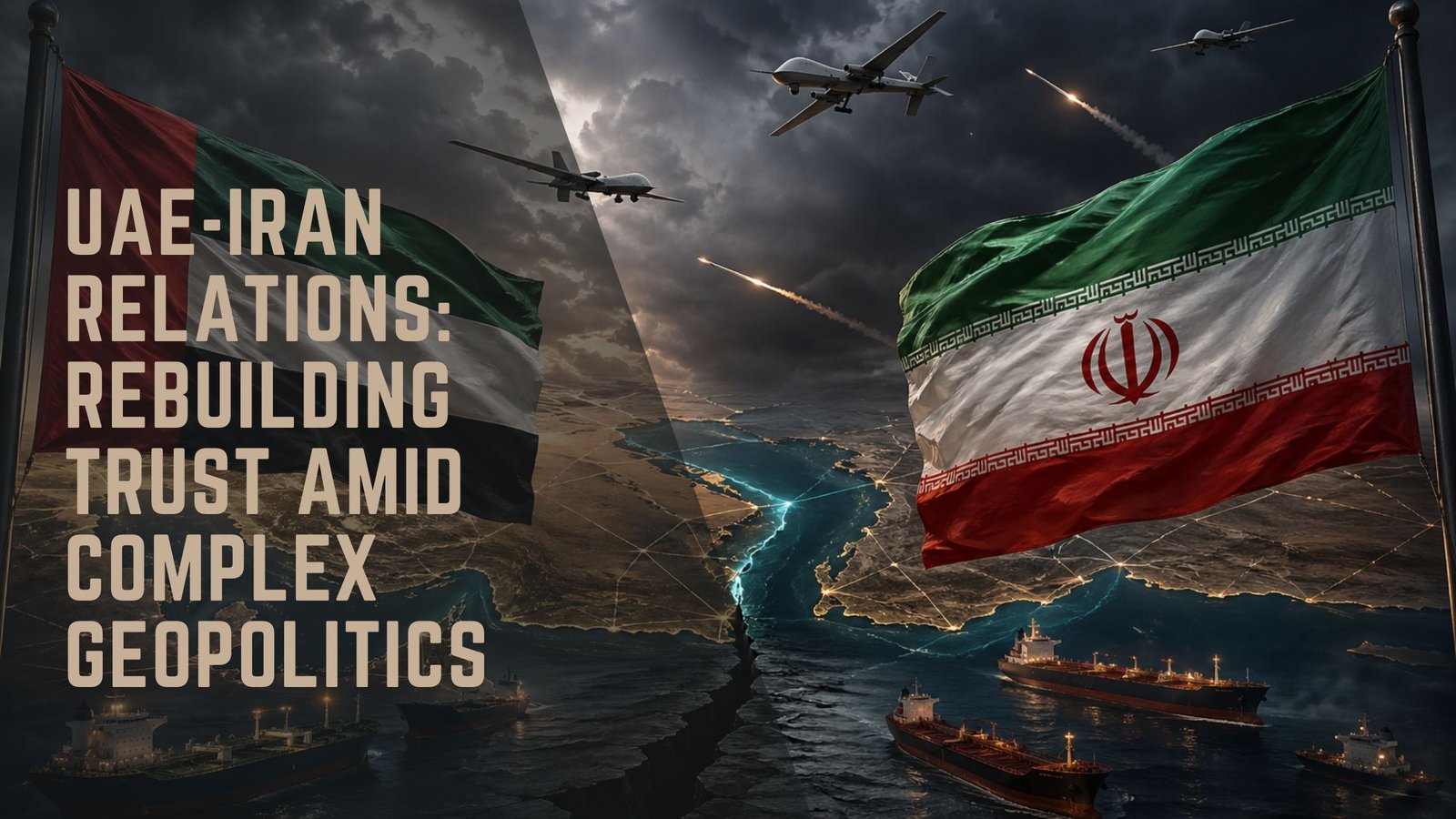
The diplomatic relationship between the United Arab Emirates (UAE) and Iran remains a focal point of Middle Eastern geopolitics, with trust being a critical element that will require significant time and effort to restore. According to Anwar Gargash, a key figure in UAE’s foreign policy, re-establishing trust with Tehran is a monumental task that will not be achieved overnight.
Historical Context: A Tenuous Relationship
The UAE and Iran have experienced a historically complicated relationship, marked by periods of tension and cautious engagement. The geopolitical dynamics of the Gulf region, coupled with differing political ideologies, have often placed the two nations at odds. The UAE, aligning closely with Western powers and regional allies such as Saudi Arabia, has frequently found itself in opposition to Iran’s policies and regional ambitions.
Current Diplomatic Efforts
In recent years, there have been concerted efforts from both sides to thaw relations. Diplomatic channels have been cautiously opened, with the UAE seeking a pragmatic approach to coexistence and cooperation on mutual interests, such as economic development and regional stability. Despite these efforts, Gargash emphasizes that rebuilding trust will be a slow process, requiring transparency and consistent dialogue.
Regional Implications
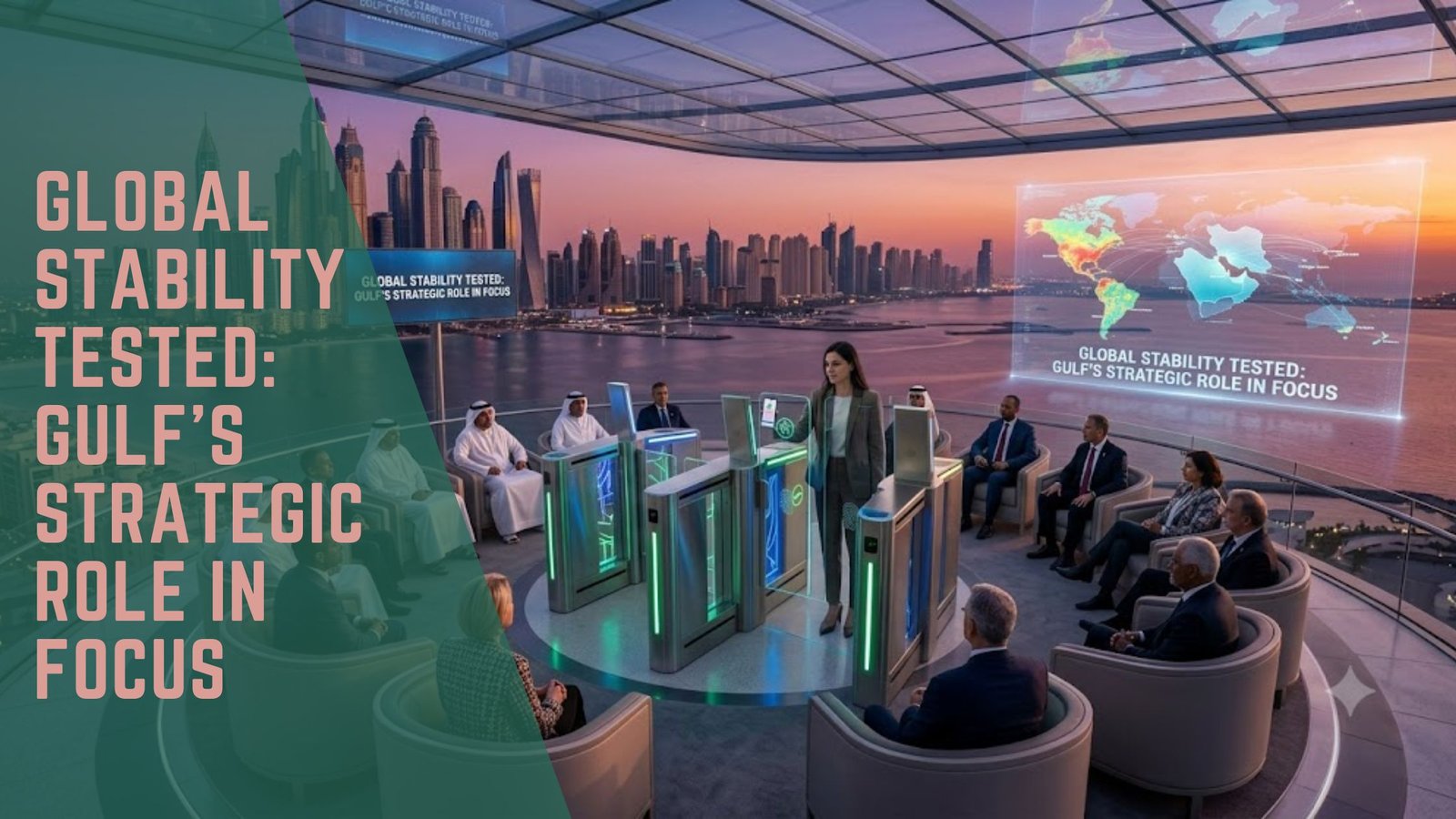
The relationship between the UAE and Iran is not just a bilateral issue but one that has broader regional implications. Any shift in their relationship can influence the geopolitical stability of the Gulf region, affecting trade routes, security alliances, and economic policies. The UAE’s strategic location as a global hub for trade means that its relationship with Iran can have a substantial impact on international commerce and energy markets.
Economic Considerations
Economically, both nations have a vested interest in maintaining stability. The UAE’s economy is heavily reliant on international trade, tourism, and foreign investments, sectors that could benefit from a stable relationship with Iran. Conversely, Iran, facing economic sanctions and a need to strengthen its economic infrastructure, could find a valuable partner in the UAE to facilitate economic growth and diversification.
Security Concerns
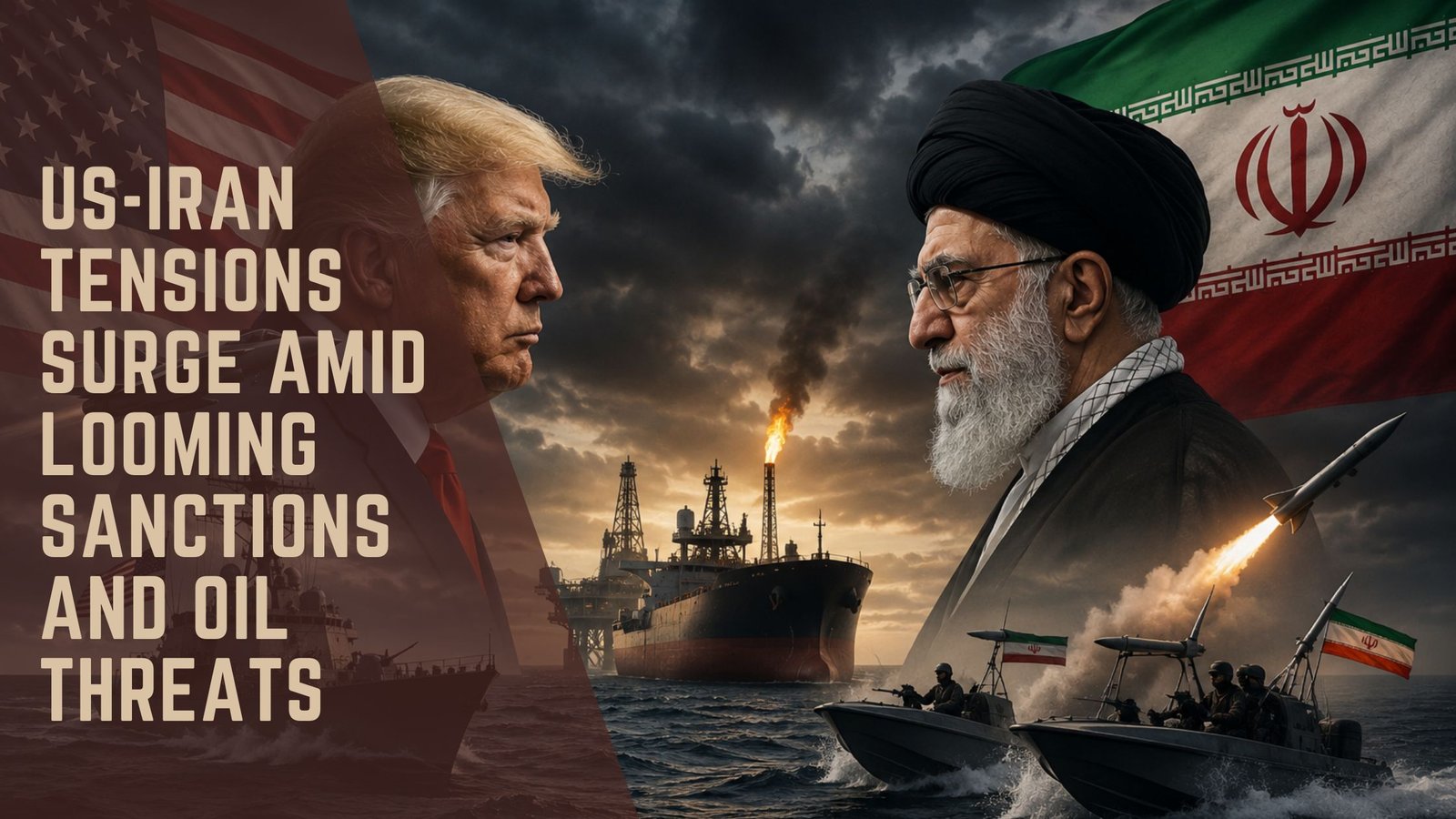
Security remains a pivotal concern in the UAE-Iran relationship. The Gulf region’s security architecture is heavily influenced by U.S. military presence and regional alliances. Iran’s missile program and its influence in countries such as Yemen and Syria are viewed with apprehension by the UAE and its allies. Gargash points out that for trust to be rebuilt, there must be a commitment to addressing security concerns through dialogue and confidence-building measures.
The Path Forward
For the UAE and Iran, the path to rebuilding trust is fraught with challenges but is not insurmountable. Gargash advocates for a long-term strategy focusing on diplomacy, economic cooperation, and regional stability. The UAE’s vision of becoming a global leader in innovation and sustainability aligns with the broader goal of fostering a peaceful and prosperous region. Similarly, Iran’s interest in rejuvenating its economy and fostering regional partnerships presents an opportunity for both nations to collaborate on mutually beneficial initiatives.
Ultimately, the journey towards restoring trust between the UAE and Iran will require patience, perseverance, and a genuine commitment to resolving differences. As the geopolitical landscape of the Middle East continues to evolve, the relationship between these two key players will remain a critical element in shaping the region’s future.