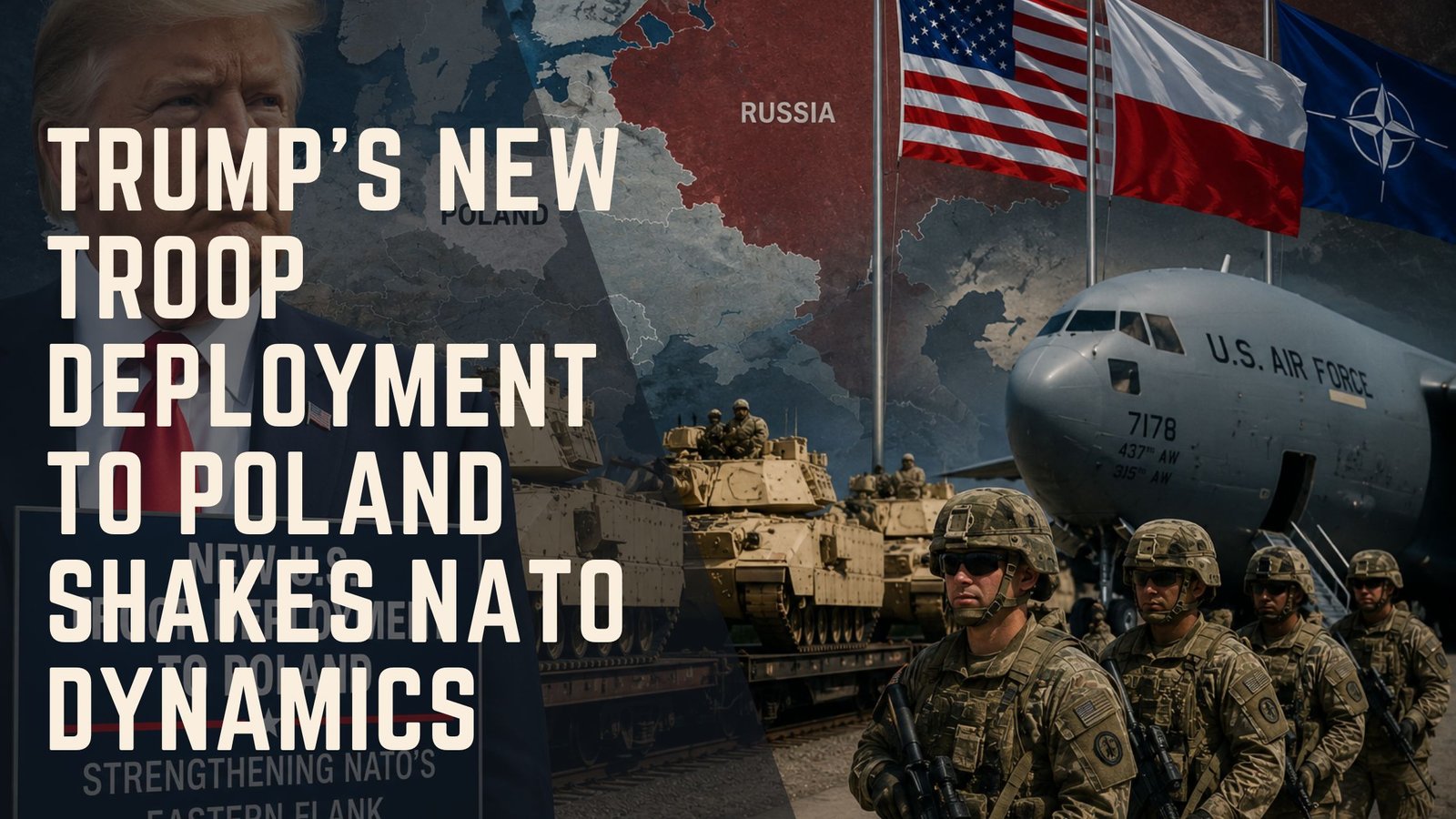
Unexpected Troop Increase Announced by Trump
In a move that took many by surprise, U.S. President Donald Trump announced the deployment of an additional 5,000 American troops to Poland. This decision comes shortly before Secretary of State Marco Rubio’s scheduled meeting with NATO ministers in Helsingborg, Sweden. The timing of this announcement has sparked discussions amidst ongoing disagreements within the alliance, particularly concerning the conflict with Iran.
Strategic Relations with Poland
Trump’s decision to bolster the U.S. military presence in Poland appears to be influenced by his supportive relationship with Poland’s President Karol Nawrocki. Trump shared his decision on Truth Social, highlighting his endorsement of Nawrocki and the strengthened ties between the two nations. “The successful election of President Nawrocki and our valued partnership with Poland are key reasons for this strategic move,” Trump stated.
Mixed Reactions Within NATO
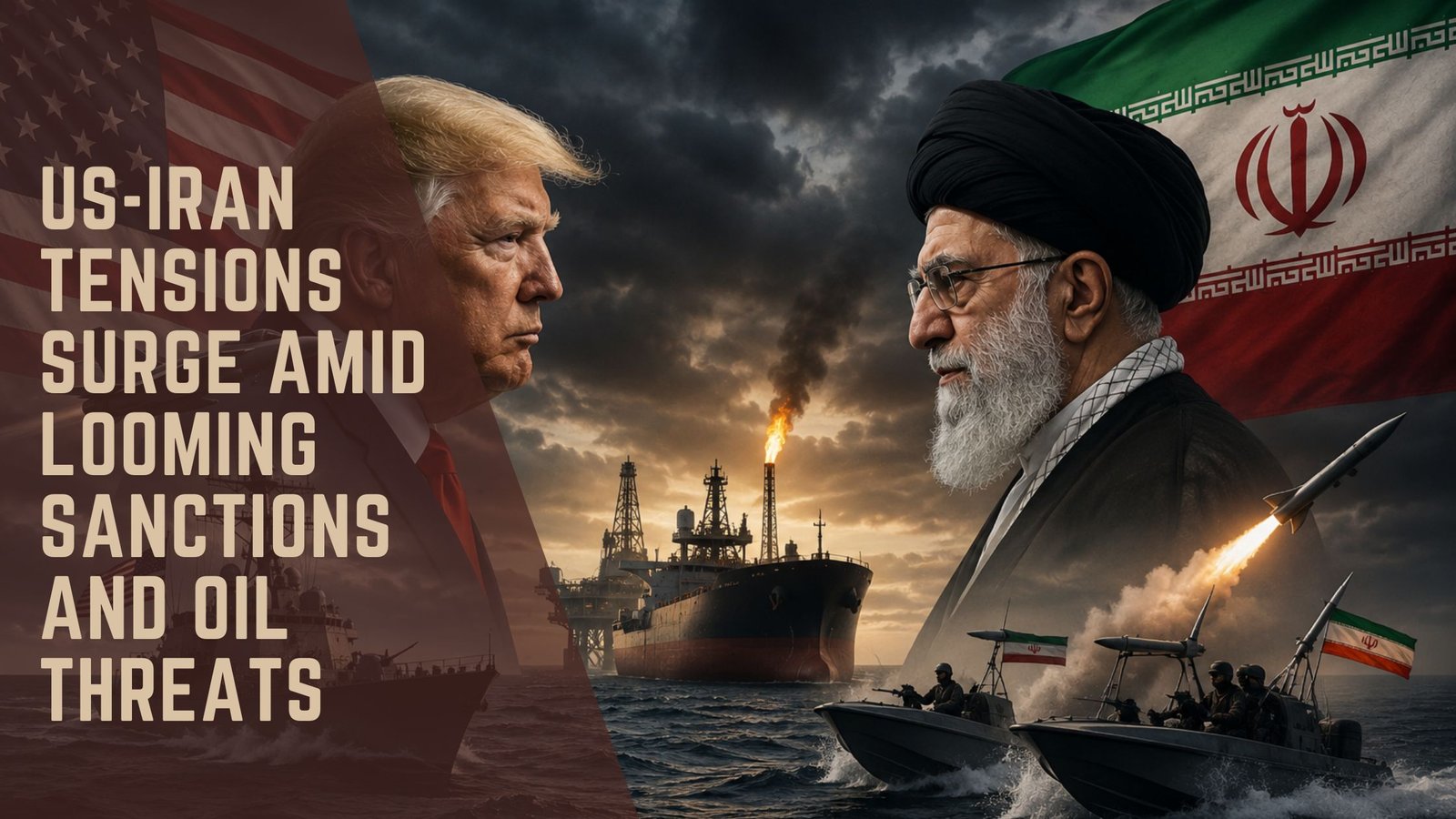
Trump’s announcement follows a period of intense criticism directed at NATO allies, whom he accused of not adequately supporting the U.S.-Israeli military initiative. His previous threats to reconsider America’s commitment to the NATO alliance have fueled concerns about the stability of transatlantic relations. Secretary Rubio, ahead of his departure to Sweden, echoed Trump’s dissatisfaction, particularly pointing to Spain’s reluctance to allow the U.S. use of its military bases. “It’s crucial to question why countries like Spain remain in NATO if they cannot extend operational support,” Rubio emphasized.
NATO’s Response and European Security
NATO officials have clarified that the U.S. did not formally request alliance participation in the Iran conflict. However, many member states have cooperated by permitting the use of their airspace and bases. The European ministers attending the Helsingborg meeting are expected to underscore their readiness to assist in maintaining navigation freedom in the Strait of Hormuz, aiming to alleviate U.S. concerns.
European nations are also anxious about the U.S.’s fluctuating stance toward NATO, which has been further complicated by Trump’s earlier ambitions to acquire Greenland from Denmark, another NATO member. These developments have led to uncertainty regarding the U.S. commitment to European security.
Uncertainty Surrounding Troop Movements
The announcement of additional U.S. troops heading to Poland came after a previous declaration to reduce U.S. forces in Europe by 5,000. The confusion surrounding the actual deployment details has unsettled many allies. Initial reports suggested that the troops would be withdrawn from Germany, but subsequent clarifications indicated a delay in deploying forces to Poland.
Additionally, plans to deploy long-range Tomahawk missiles to Germany have been scrapped, and the U.S. intends to reduce the military resources available to NATO during crises. General Alexus Grynkewich, NATO’s top commander, has sought to reassure European allies, explaining that any troop reduction would occur gradually to allow allies to bolster their own military capabilities.
Implications for NATO’s Future
The latest developments underscore ongoing tensions within NATO and highlight the complexities of navigating U.S. foreign policy under the Trump administration. As European leaders attempt to balance their security needs with the evolving U.S. stance, the future of NATO’s cohesion remains uncertain. This troop increase to Poland could signify a shift in focus toward Eastern Europe, yet it also raises questions about the broader strategic objectives of the United States.