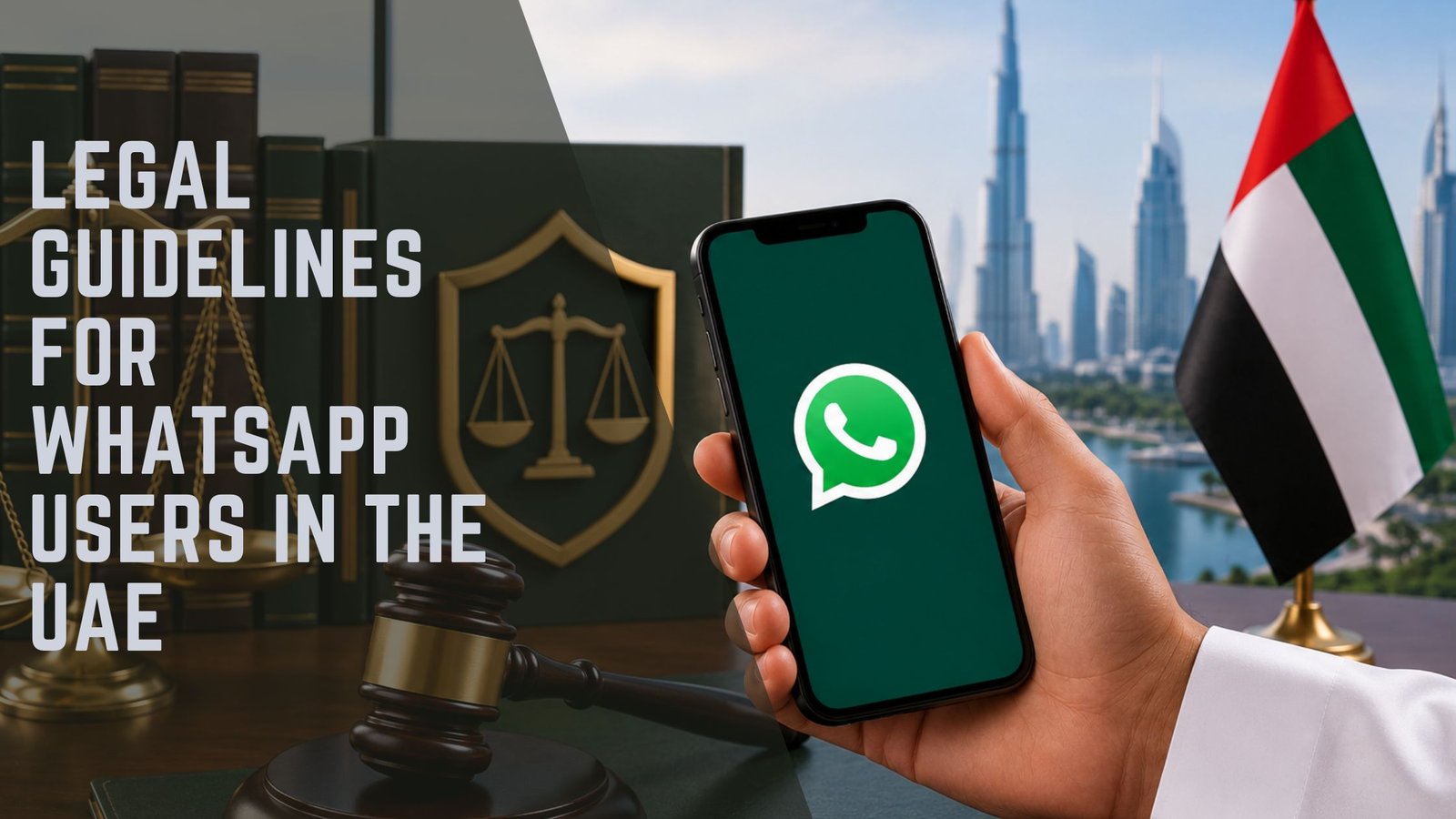
Understanding Privacy and Legal Boundaries on WhatsApp in the UAE
In the United Arab Emirates, the perception of privacy and data protection is distinct, particularly when it comes to communication apps like WhatsApp. Users in the UAE must navigate a complex legal landscape that governs digital communication. This article delves into five critical aspects that WhatsApp users in the UAE should be aware of to ensure compliance with local laws.
1. Legal Framework Governing Digital Communication
The UAE Cybercrime Law
The UAE has stringent cybercrime laws designed to safeguard national security and individual privacy. The federal law No. 5 of 2012 on combating cybercrimes stipulates severe penalties for any misuse of digital platforms. Residents must understand that these laws apply equally to private communications on apps like WhatsApp.
Data Protection Regulations
In addition to cybercrime laws, the UAE also enforces data protection regulations that impact how personal data is handled. These regulations require that users’ data is processed in compliance with specific privacy standards, emphasizing the responsibility of both users and service providers.
2. Understanding the Scope of Privacy
WhatsApp’s Encryption
WhatsApp uses end-to-end encryption, which ensures that only the communicating users can read the messages. While this feature enhances privacy, it does not exempt users from legal obligations. Authorities can request access to data if necessary for security reasons.
Legal Access to Communications
In cases of legal investigations, the authorities in the UAE may seek access to private communications. This underscores the importance of being cautious about the content shared, as even encrypted messages can be subject to scrutiny if deemed relevant for an investigation.
3. Implications of Sharing Content
Sharing Sensitive Information
Users must exercise caution when sharing sensitive or controversial information. Content that is deemed defamatory, offensive, or a threat to public order can result in legal repercussions under the UAE’s cybercrime laws.
The Spread of Misinformation
Spreading false information or rumors through WhatsApp is considered a serious offense. The UAE government maintains a zero-tolerance policy towards misinformation, with significant penalties for those found guilty of disseminating false news.
4. Responsibilities of WhatsApp Users
Ensuring Compliance
WhatsApp users are responsible for ensuring that their communications comply with the UAE’s legal standards. This includes understanding and adhering to the terms of service provided by WhatsApp and respecting the country’s laws.
Reporting Violations
Users are encouraged to report any violations or suspicious activities encountered on WhatsApp. The UAE authorities have set up channels for residents to report cybercrimes and other illegal activities, thereby contributing to maintaining digital security.
5. Best Practices for Safe Communication
Avoiding Legal Pitfalls
To avoid legal issues, WhatsApp users should refrain from sharing offensive, defamatory, or politically sensitive material. Being mindful of the content shared ensures compliance with local laws and promotes a safe digital environment.
Staying Informed
Staying informed about updates in the UAE’s digital communication laws is crucial for WhatsApp users. Regularly reviewing the legal requirements and guidelines helps in maintaining lawful digital conduct.
In conclusion, while WhatsApp offers a platform for private communication, users in the UAE must be vigilant and informed about the legal intricacies that govern its use. By understanding these aspects, users can enjoy the benefits of digital communication while ensuring they are on the right side of the law.