Researchers Discover Neural Mechanism to Halt Chronic Pain
In a groundbreaking study, scientists at Washington University School of Medicine in St. Louis have identified a neural mechanism that may effectively switch off chronic neuropathic pain, a condition often resulting from nerve damage. This discovery could pave the way for novel treatments that are both effective and free from the usual side effects associated with conventional pain relief methods.
Understanding the Role of Mu Opioid Receptors
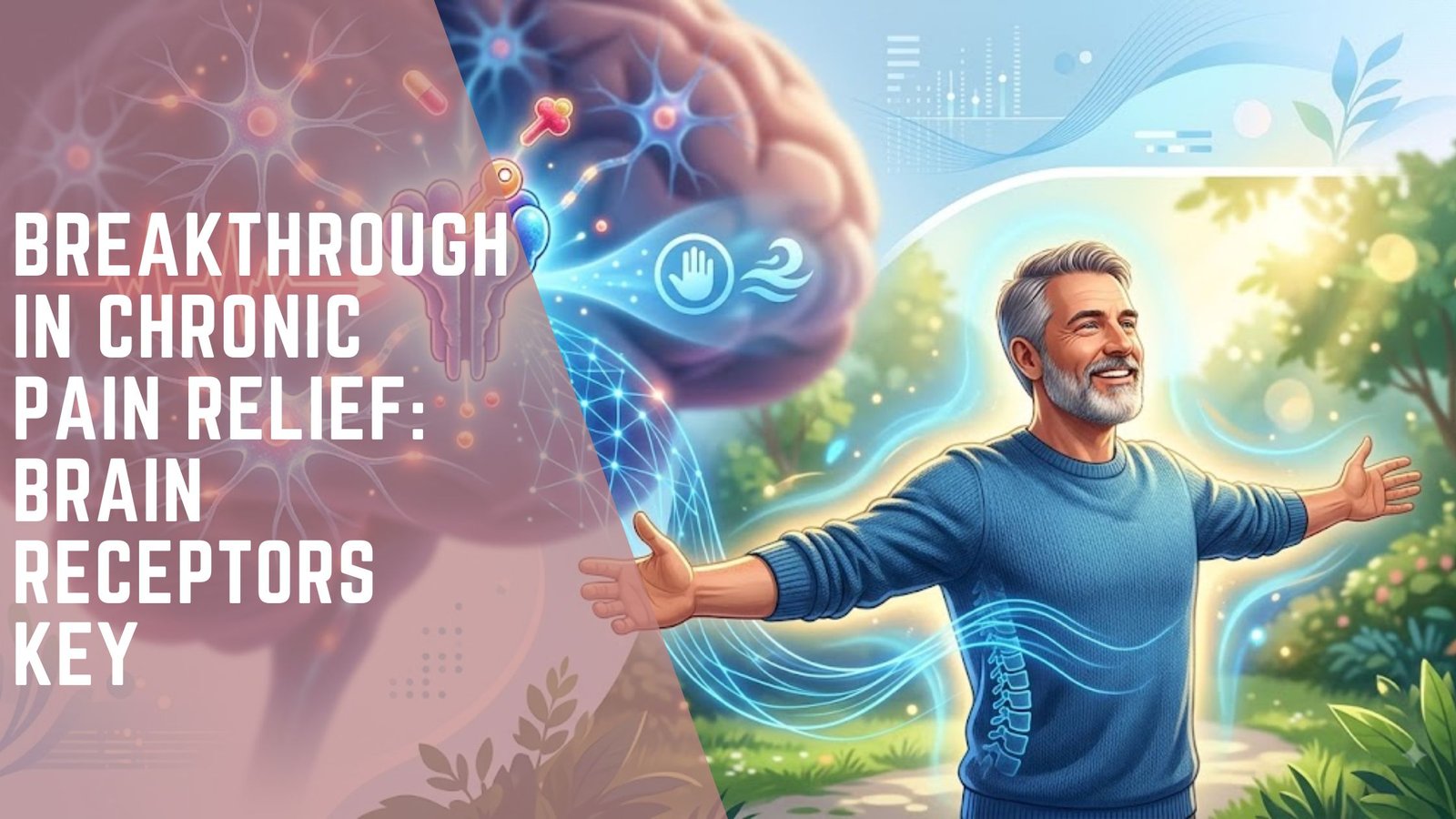
The focus of the research lies in the mu opioid receptors located within the locus coeruleus, a vital brain region responsible for regulating stress and alertness. These receptors have been found to play a crucial role in managing pain by acting as a natural brake on hyperactive pain pathways. When activated, they have the potential to reverse hypersensitivity, thereby providing significant relief from chronic pain.
Targeted Approach Over Systemic Solutions
Traditional pain management often relies on systemic opioids, which, while effective, carry risks of side effects and addiction. The new approach suggested by the study emphasizes targeting these localized receptors directly in the brain’s pain center. This method promises a more targeted therapy that could relieve severe pain without the widespread side effects typically associated with opioid use.
Implications for Future Pain Management
The implications of this study are profound, offering hope to millions who suffer from chronic pain conditions. By understanding and utilizing the body’s own mechanisms to control pain, researchers are moving closer to developing therapies that could alleviate pain without the drawbacks of current treatments.
Potential for Reducing Opioid Dependency
One of the most significant potential benefits of this discovery is the reduction in dependency on systemic opioids, which are often prescribed for chronic pain management. The opioid epidemic has highlighted the urgent need for effective pain relief strategies that do not contribute to addiction. By focusing on specific neural pathways, this research could lead to safer alternatives that do not compromise on efficacy.
Next Steps in Research
While the findings are promising, researchers acknowledge the need for further studies to explore the full potential and application of this mechanism. Clinical trials will be necessary to test the safety and effectiveness of therapies developed from this research. The team is optimistic about the future, as this discovery opens a new pathway for pain management research.
Conclusion: A New Era in Pain Relief
As the scientific community continues to delve deeper into the complexities of chronic pain, discoveries such as this one provide a beacon of hope. The potential to manage pain through targeted neural mechanisms could revolutionize the way we approach pain relief, offering millions a chance for a better quality of life.