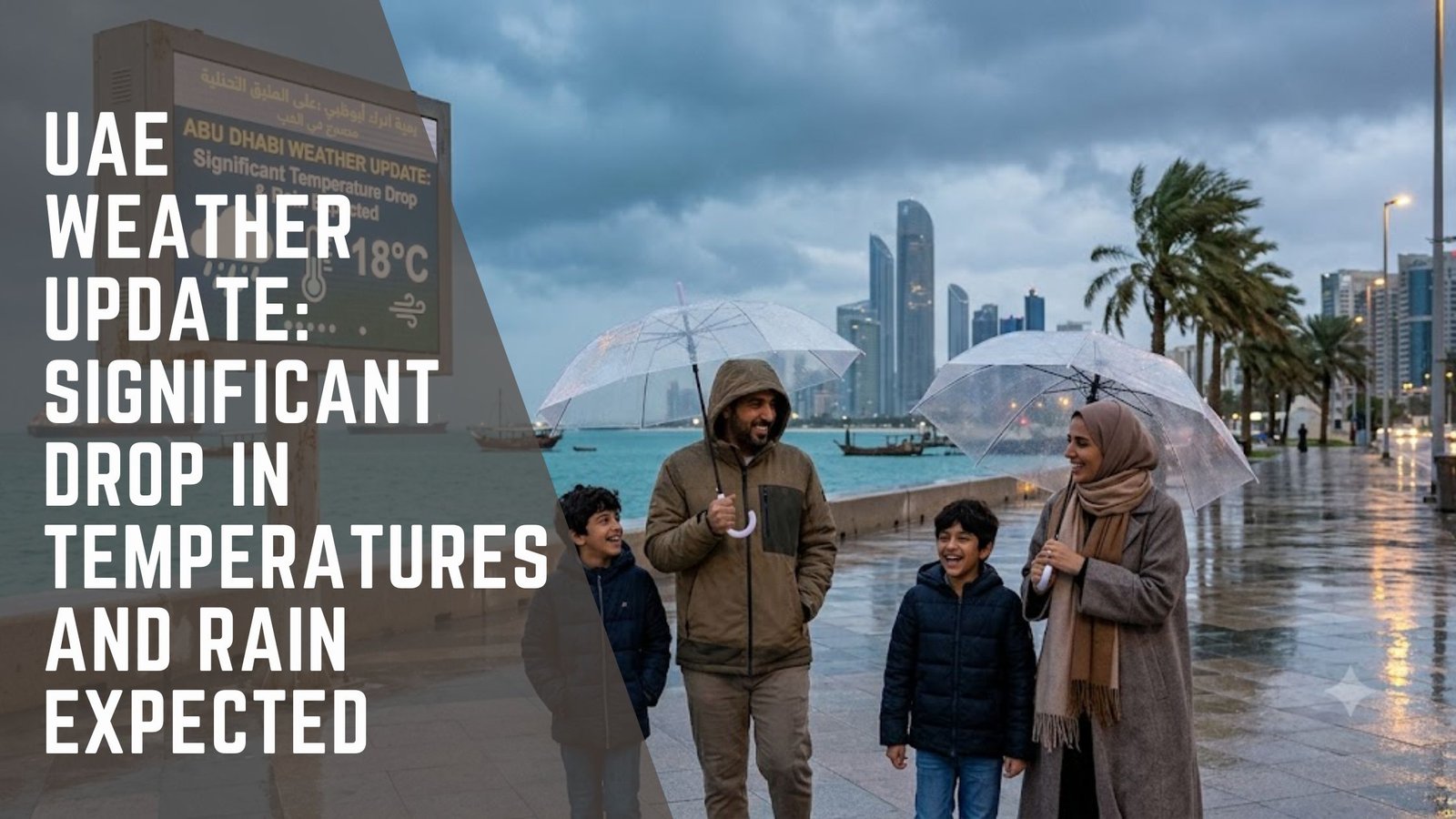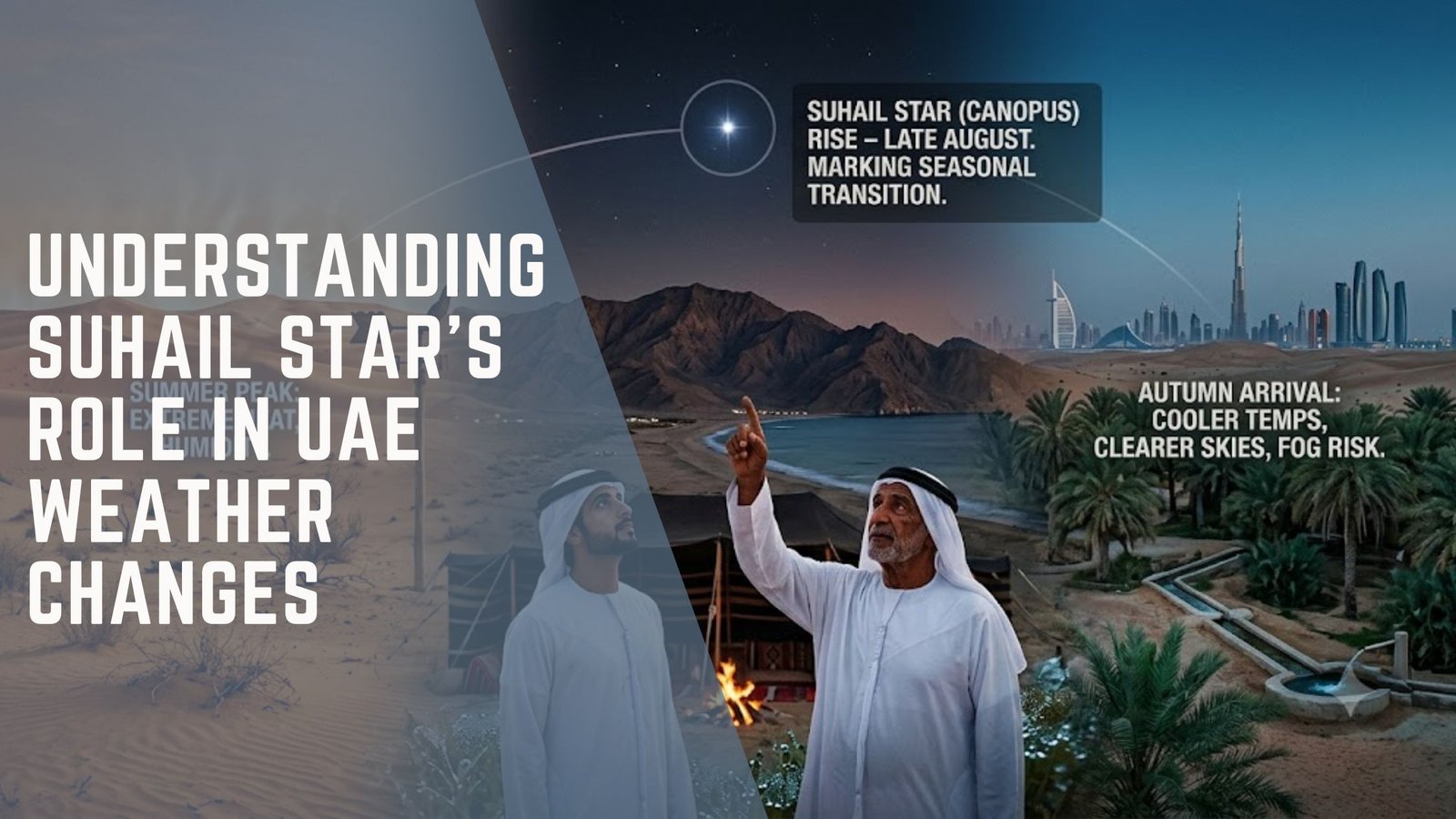
The United Arab Emirates is witnessing a slight decrease in temperatures, sparking discussions about the influence of the Suhail star. Known in scientific terms as Canopus, the Suhail star is the second-brightest in the night sky and traditionally heralds the onset of cooler weather in the region. But how does this cultural belief align with scientific meteorology?
Traditional Beliefs vs. Scientific Explanation
Historically, the appearance of the Suhail star marks a shift from the intense summer heat to more moderate conditions. Dr. Mohamed Al Ebri, director of meteorology at the National Centre of Meteorology (NCM), explains that while the star is a significant cultural indicator, it does not directly cause the change in weather patterns. “The Suhail star is a useful traditional seasonal indicator,” he notes, “but the transition in weather is due to several astronomical and climatic factors.” These factors include the gradual decrease in solar elevation angles and a reduction in solar radiation duration.
Weather Patterns and Temperature Forecasts
The NCM forecasts fair to partly cloudy skies with convective cloud formation anticipated in the eastern regions of the UAE. Coastal and island areas are expected to see temperatures ranging from 37°C to 42°C, while internal regions will experience slightly higher temperatures, between 42°C and 46°C. Major cities like Abu Dhabi and Sharjah are expected to peak at 41°C, with Dubai slightly cooler at 39°C.
Precautions Amid Rising Humidity
As humidity levels are anticipated to rise during the night and into the following morning along coastal areas, the NCM has warned of potential fog or mist, which could affect visibility. Dr. Al Ebri advises residents to exercise caution, particularly when driving in foggy conditions. He also recommends avoiding direct sun exposure during peak hours and increasing water intake to stay hydrated. Moreover, the importance of ensuring vehicle safety, especially in terms of tyre and cooling system maintenance, cannot be overstated.
Marine Conditions and Safety Measures
Marine conditions in the Arabian Gulf are expected to vary from slight to moderate, occasionally becoming rough along the western coast, with wave heights reaching up to six feet offshore. The Sea of Oman will experience more gentle conditions, with waves peaking at three feet offshore. Mariners and beachgoers are advised to remain vigilant and adhere to safety guidelines.
Detailed Temperature Overview
Below is a breakdown of expected temperatures across various emirates:
- Dubai: Max 39°C, Min 33°C
- Abu Dhabi: Max 41°C, Min 30°C
- Al Ain: Max 43°C, Min 29°C
- Sharjah: Max 41°C, Min 31°C
- Ajman: Max 38°C, Min 31°C
- Fujairah: Max 34°C, Min 32°C
- Ras Al Khaimah: Max 43°C, Min 29°C
- Umm Al Quwain: Max 40°C, Min 29°C
- Liwa: Max 43°C, Min 27°C
While the Suhail star remains a significant traditional marker for the transition to cooler weather, the actual changes are driven by complex meteorological processes. Understanding these factors is essential for appreciating the unique blend of tradition and science in UAE’s approach to weather patterns.