Understanding UAE Ambulance Services: Essential Information
In the United Arab Emirates, swift and accurate response during medical emergencies can be life-saving. This guide details how residents and tourists can effectively utilize ambulance services, ensuring prompt medical assistance when every second matters.
Emergency Contact Numbers: Who to Call
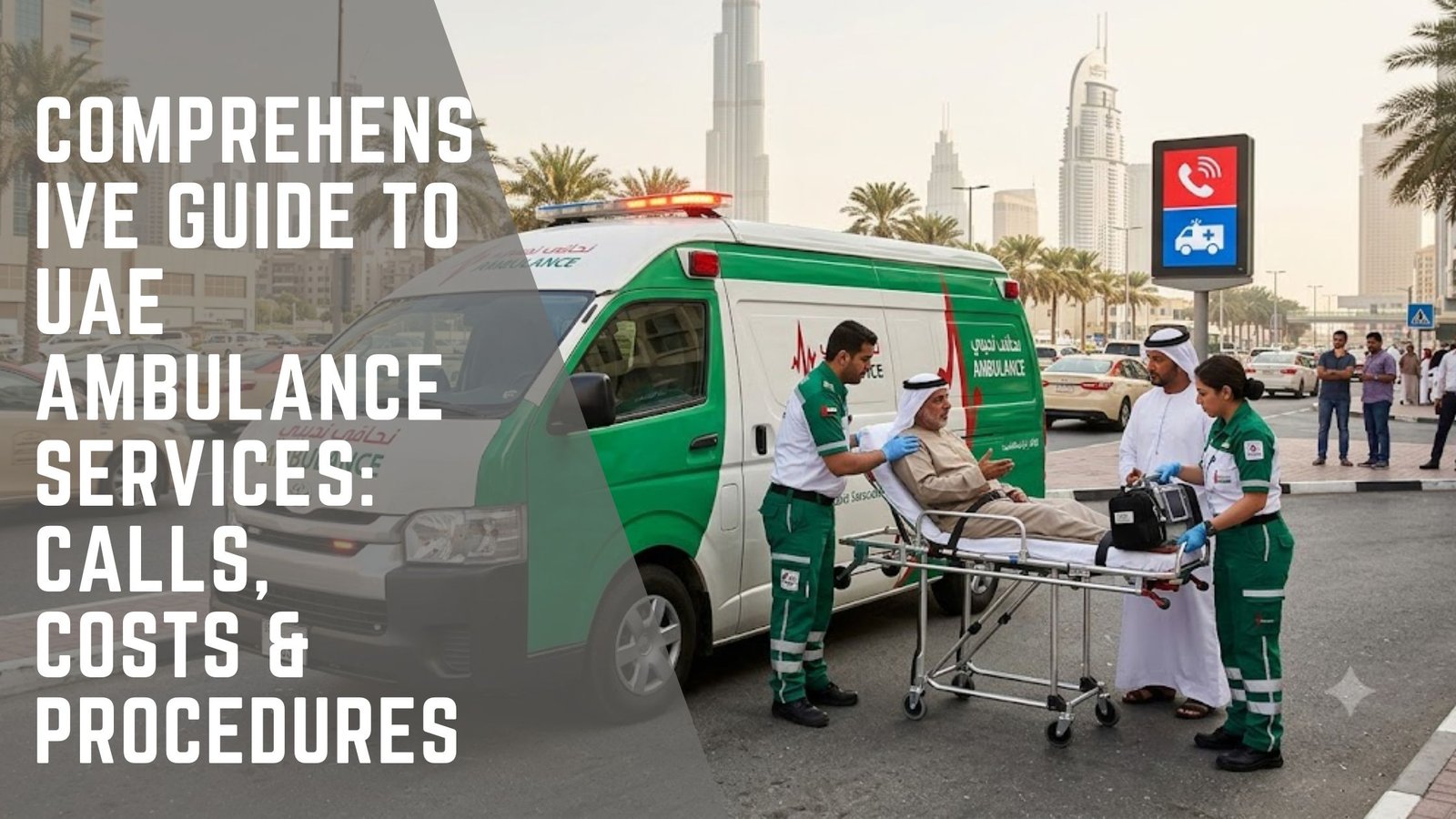
When faced with a medical crisis within the UAE, it is crucial to dial the correct number for immediate assistance. The dedicated emergency number for ambulance services is 998. Additionally, for broader emergencies, 999 can be contacted, where operators will efficiently coordinate the required response. These services operate around the clock, ensuring accessibility across all emirates. In critical situations, authorities may also opt to deploy air ambulances if deemed medically necessary, following guidelines from the UAE Government Platform.
Accessibility for All: Residents and Tourists
Ambulance services in the UAE are inclusive, extending to citizens, residents, and visitors alike. This comprehensive coverage ensures that anyone in need of emergency medical intervention can access these services without discrimination.
Financial Aspects: Who Bears the Cost?
The financial framework for ambulance services in the UAE is structured to support both insured and uninsured individuals. Initial emergency care, aimed at stabilizing patients, is provided gratis to everyone, regardless of their insurance status. For UAE residents, subsequent ambulance services are generally covered under health insurance plans, even those with basic coverage. However, post-stabilization treatments and medications require either insurance coverage or personal payment if uninsured. The UAE Government Platform emphasizes that emergency response costs are waived for immediate care but highlights the need for financial preparedness for any further medical interventions.
Communicating Effectively: Vital Information for Responders
Efficient communication with emergency responders is pivotal in ensuring timely assistance. The Dubai Corporation for Ambulance Services (DCAS) recommends the C-LINE method for conveying essential information:
- C – Chief Complaint: Clearly state the primary reason for the call, such as unconsciousness, chest pain, or difficulty breathing.
- L – Location: Provide detailed location information, including area, building name, apartment or villa number, floor, and notable landmarks.
- I – Incident: Describe the occurrence, such as a traffic collision or a fall.
- N – Number of Casualties: Inform about the number of individuals affected, aiding in the deployment of adequate resources.
- E – Extent of Injuries: Elaborate on the severity of injuries and any pertinent medical conditions.
Remaining calm and collected during this process is crucial, as it ensures accurate reporting and the deployment of appropriate resources. The DCAS also provides a free online course accessible via the ‘Dubai Ambulance’ app, equipping individuals with the knowledge to handle emergencies effectively both at home and in public spaces.
Conclusion: Preparedness and Awareness
Understanding the procedures and protocols of UAE ambulance services can significantly enhance response times during emergencies. By familiarizing oneself with the necessary contact numbers, financial implications, and communication techniques, individuals can ensure they are well-prepared to handle medical crises effectively. This proactive approach not only facilitates faster medical intervention but also contributes to a more resilient and informed community.