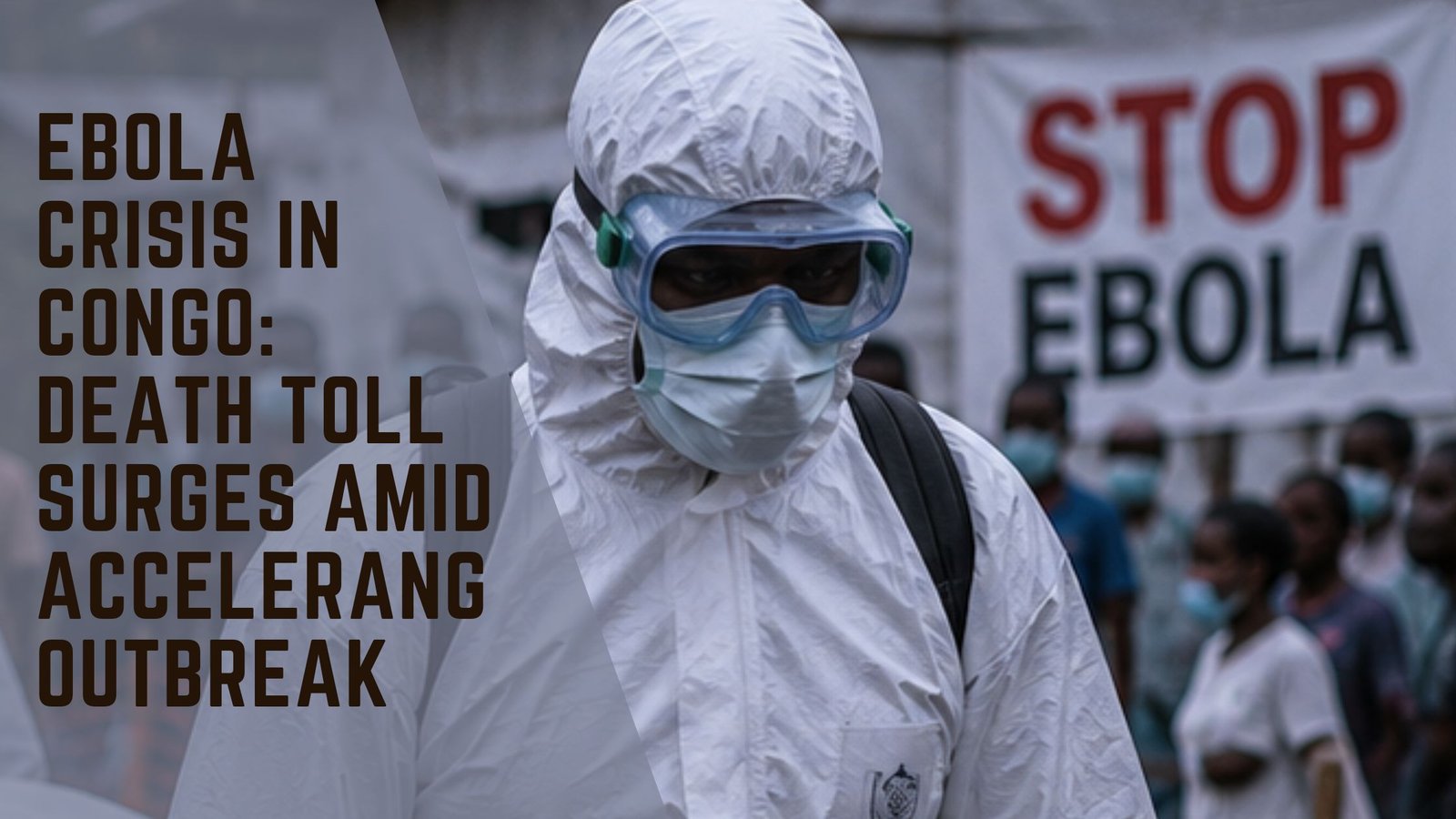
Ebola Epidemic Claims 930 Lives in Congo
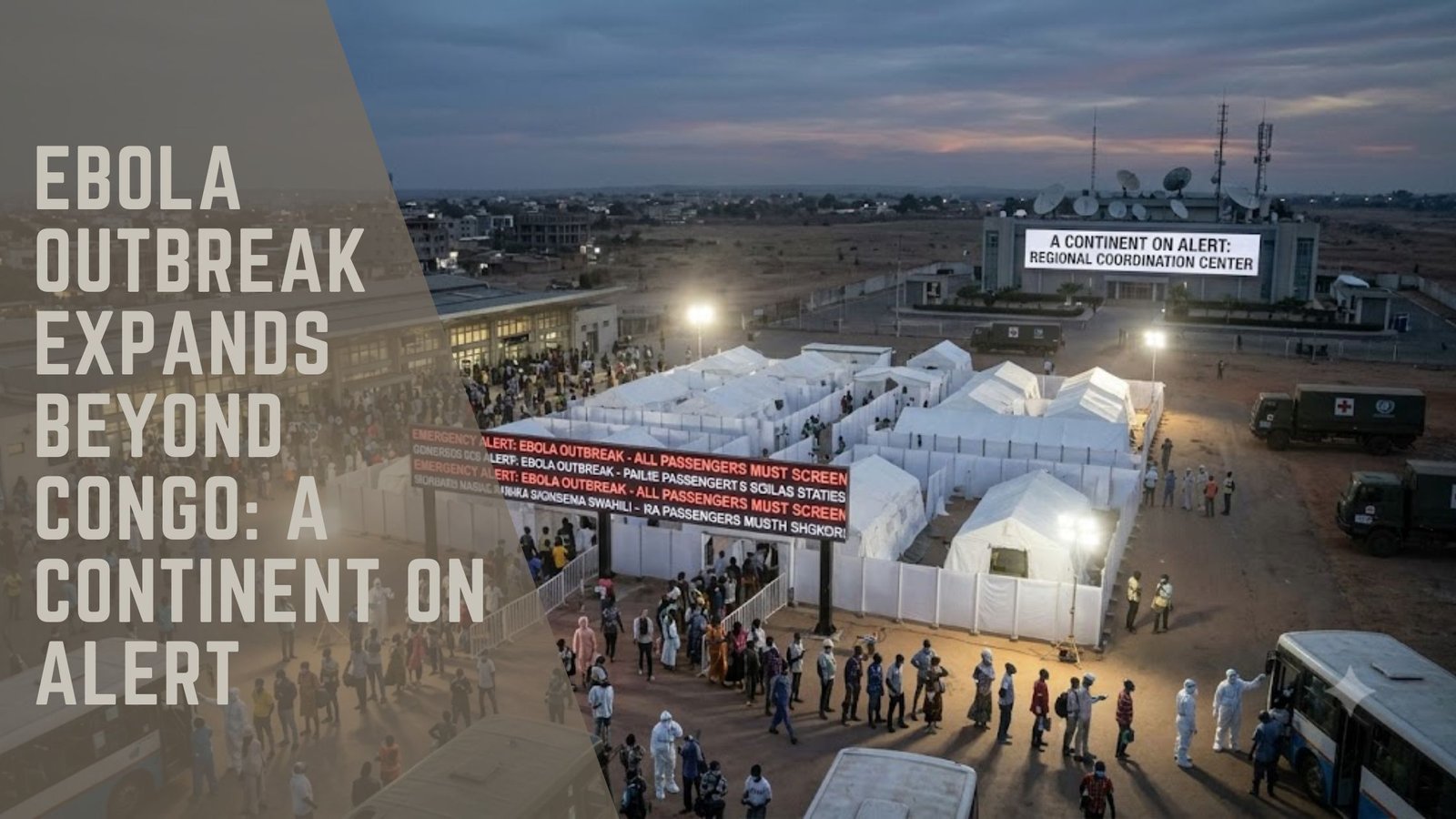
The Democratic Republic of Congo is grappling with a severe Ebola epidemic that has claimed at least 930 lives, the Ministry of Health confirmed. The figures reflect an alarming rise in fatalities linked to the outbreak, which continues to escalate at an unprecedented pace.
Record Number of Cases and Daily Deaths
As of the latest reports, there have been 2,344 confirmed Ebola cases, with 37 new deaths occurring within a mere 24-hour period. This surge marks one of the highest daily death tolls since the outbreak’s onset, underscoring the critical nature of the current health crisis.
Origin and Spread of the Outbreak
The outbreak was officially declared in eastern Congo on May 15 and has since been identified as the fastest-growing Ebola epidemic on record. Health officials attribute the rapid spread primarily to the Bundibugyo strain of the Ebola virus. This particular variant poses significant challenges due to the absence of an approved vaccine or specific treatment options, complicating containment efforts.
Challenges in Containment Efforts
Efforts to curb the virus’s spread are ongoing, though authorities face numerous hurdles. The eastern region of Congo, where the outbreak is centered, is characterized by political instability and armed conflict, making it difficult for health workers to access certain areas. This situation exacerbates the challenge of implementing effective disease control and prevention measures.
Health System Under Strain
The Congolese health system is under immense pressure as it attempts to manage the growing number of Ebola cases. Limited resources and infrastructure, combined with the region’s socio-political issues, have hindered the authorities’ ability to respond swiftly and effectively. Healthcare workers are often at great personal risk, facing not only the threat of the virus but also security concerns in volatile areas.
International Support and Coordination
In response to the escalating crisis, international health organizations have been coordinating with local authorities to provide support. The World Health Organization and other partners are working to deliver medical supplies, train healthcare workers, and enhance surveillance and response mechanisms. Despite these efforts, the need for comprehensive international support remains critical to manage the outbreak effectively.
Community Engagement and Awareness
Community engagement is a vital component of the response strategy, as local populations play a crucial role in controlling the spread of the virus. Health authorities are actively working to educate communities about the importance of preventive measures, such as hand hygiene and safe burial practices, to mitigate transmission risks.
Hope for the Future
Despite the dire situation, there is hope that with sustained international cooperation and targeted interventions, the outbreak can be brought under control. Continuous research and development efforts are also underway to find effective vaccines and treatments for the Bundibugyo strain, which could potentially transform the response to future outbreaks.