Iran’s Rial Sinks to Unprecedented Lows Against the US Dollar
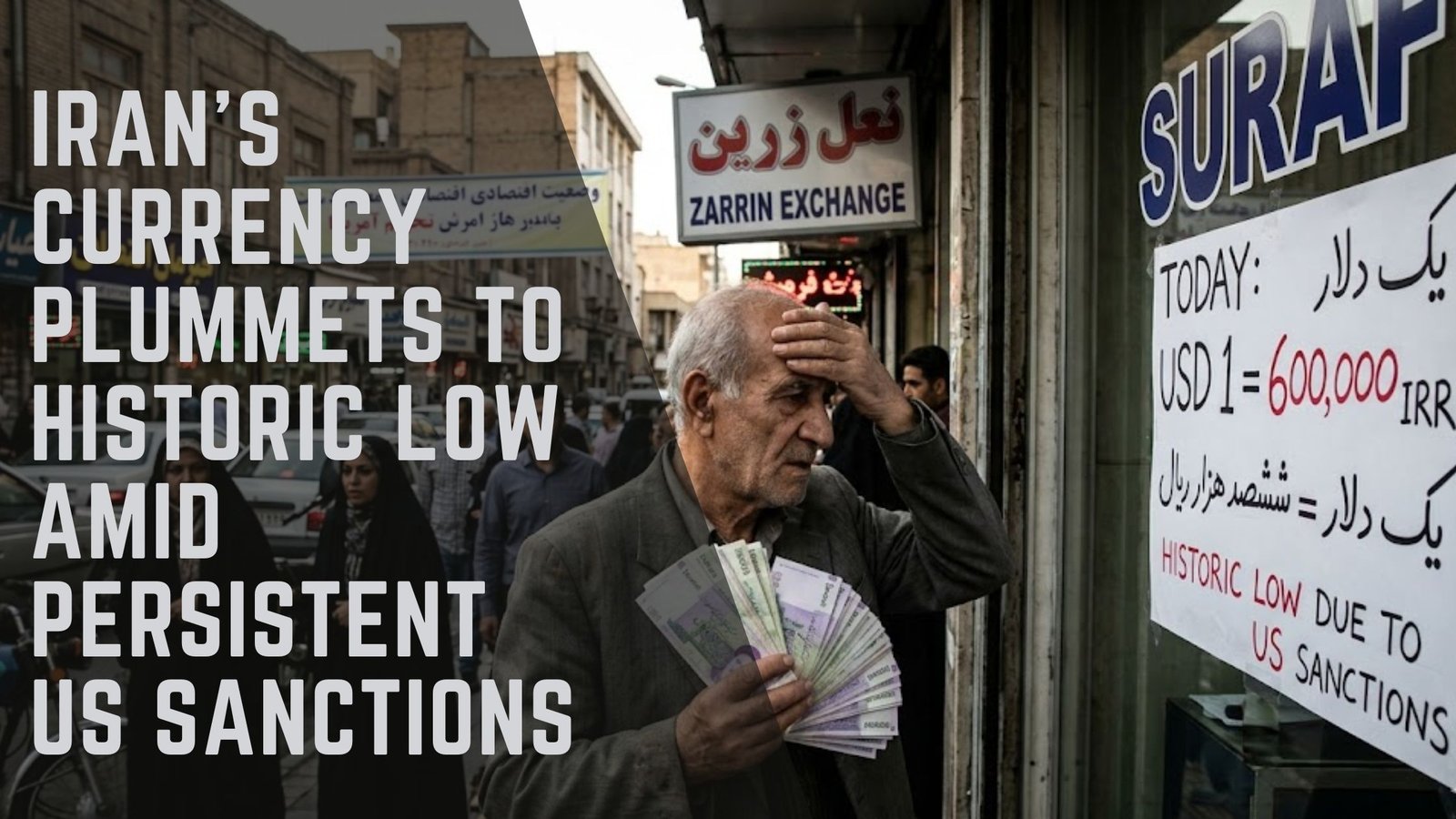
The Iranian rial has hit an all-time low against the US dollar, marking a significant economic milestone as the nation continues to grapple with stringent American sanctions. The currency’s devaluation is the latest blow to Iran’s economy, which has been under immense pressure from international isolation and domestic challenges.
US Sanctions: A Major Contributor
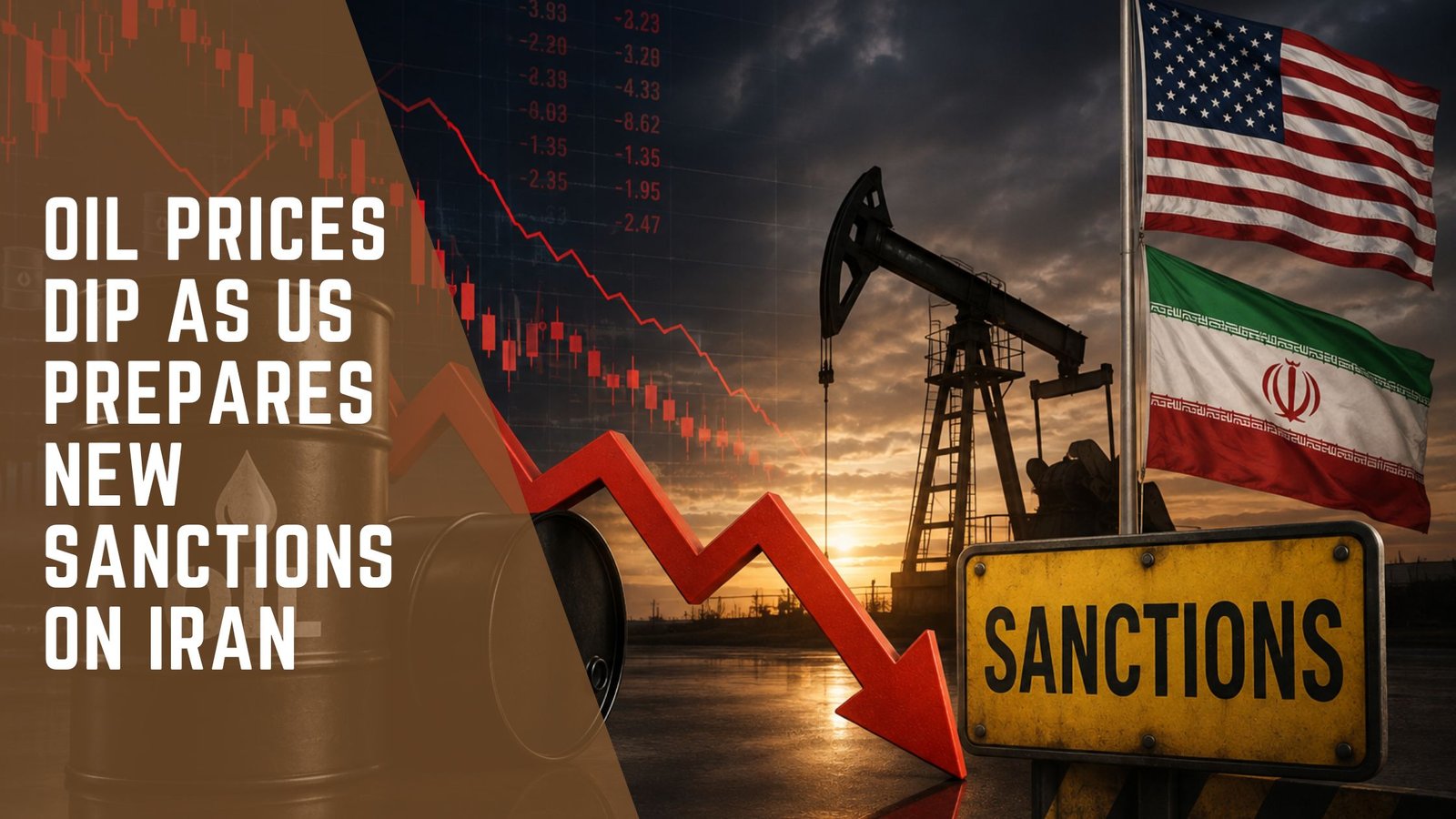
The main driver behind the rial’s depreciation is the extensive sanctions imposed by the United States. These sanctions, aimed at curtailing Iran’s nuclear ambitions and its influence in the Middle East, have severely restricted the nation’s ability to engage in international trade and access global financial systems. As a result, Iran’s foreign currency reserves have dwindled, exacerbating the exchange rate crisis.
Impact on the Iranian Economy
The fall of the rial has far-reaching implications for Iran’s economy. Inflation rates have soared, causing prices of everyday goods to escalate sharply. The purchasing power of the Iranian population has been significantly eroded, leading to widespread economic hardship. Many businesses, especially those reliant on imported goods, are struggling to stay afloat amid rising costs.
Government Measures and Public Response
In response to the currency crisis, Iranian authorities have implemented various measures to stabilize the rial. These include interventions in the foreign exchange market and attempts to curb inflation through monetary policy adjustments. However, these efforts have yielded limited success, as structural issues and external pressures continue to undermine the currency’s stability.
Public discontent is growing, with protests erupting in various cities across Iran. Citizens are expressing frustration over the economic mismanagement and the deteriorating living standards. The government faces increasing pressure to address these grievances and implement effective economic reforms.
Global and Regional Implications
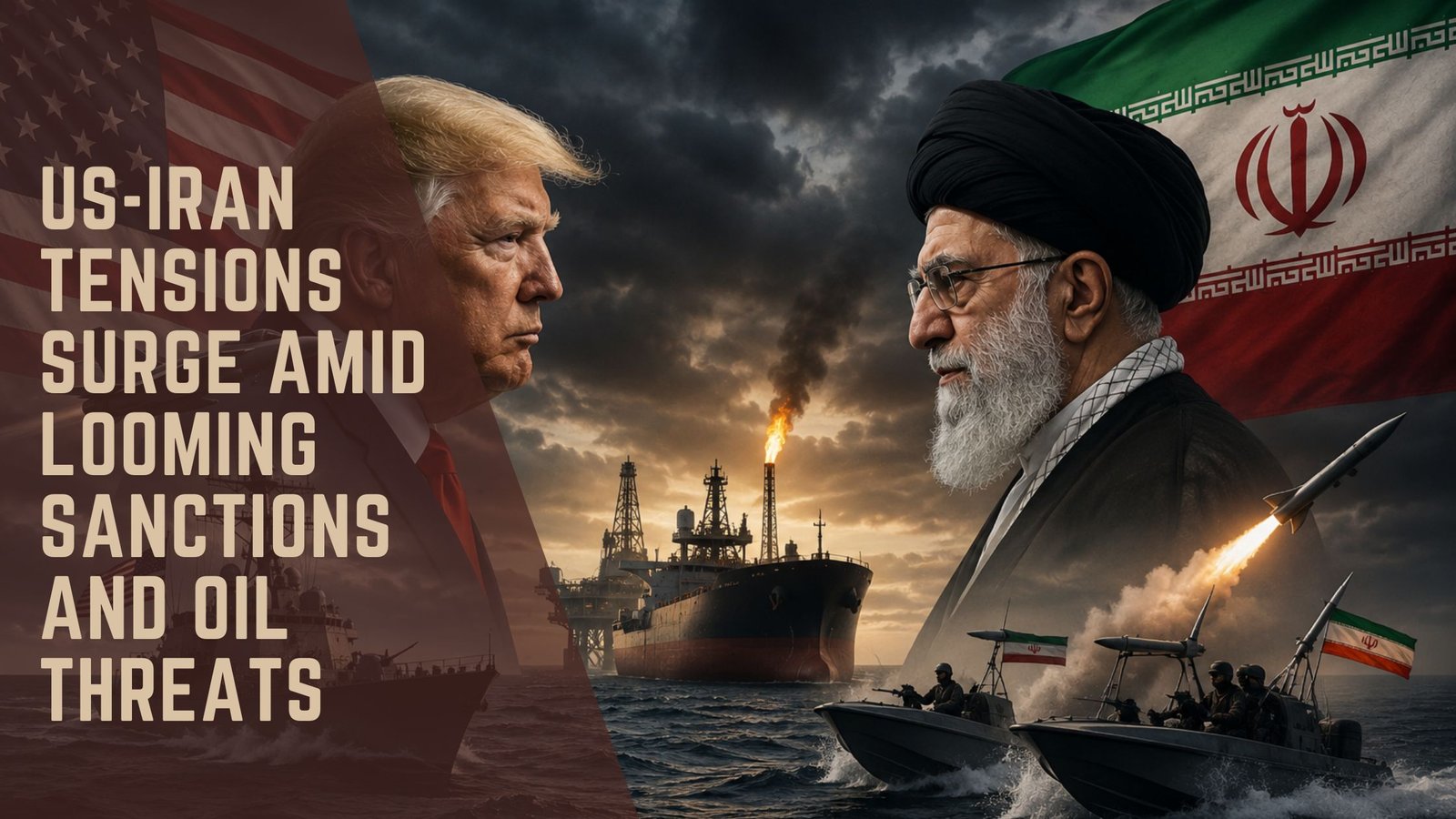
The collapse of the rial also has broader implications for the Middle East and global economic dynamics. Iran, as a key player in the region, affects the economic stability of neighboring countries. The ongoing currency crisis may influence Iran’s geopolitical strategies, potentially heightening tensions in an already volatile region.
Furthermore, the situation presents challenges for international businesses and investors. Companies with interests in Iran are reassessing their strategies, weighing the risks of operating in an economically unstable environment against the potential opportunities.
Future Prospects and Potential Resolutions
Looking ahead, the future of Iran’s economy is uncertain. Potential resolutions could involve diplomatic negotiations to ease sanctions, which would provide the Iranian government with much-needed relief. However, such outcomes are contingent upon complex geopolitical negotiations and mutual concessions.
Economic experts suggest that Iran must also focus on internal reforms, including diversifying its economy and fostering a more conducive environment for domestic and foreign investment. Strengthening sectors beyond oil and gas could help reduce the economy’s vulnerability to external shocks.
In conclusion, the unprecedented fall of the Iranian rial is a critical issue that underscores the broader challenges facing Iran’s economy. Addressing this crisis requires comprehensive strategies, both domestically and internationally, to restore economic stability and improve the livelihoods of the Iranian people.