GCC Secretary-General Condemns Iranian Assault on UAE Oil Tankers
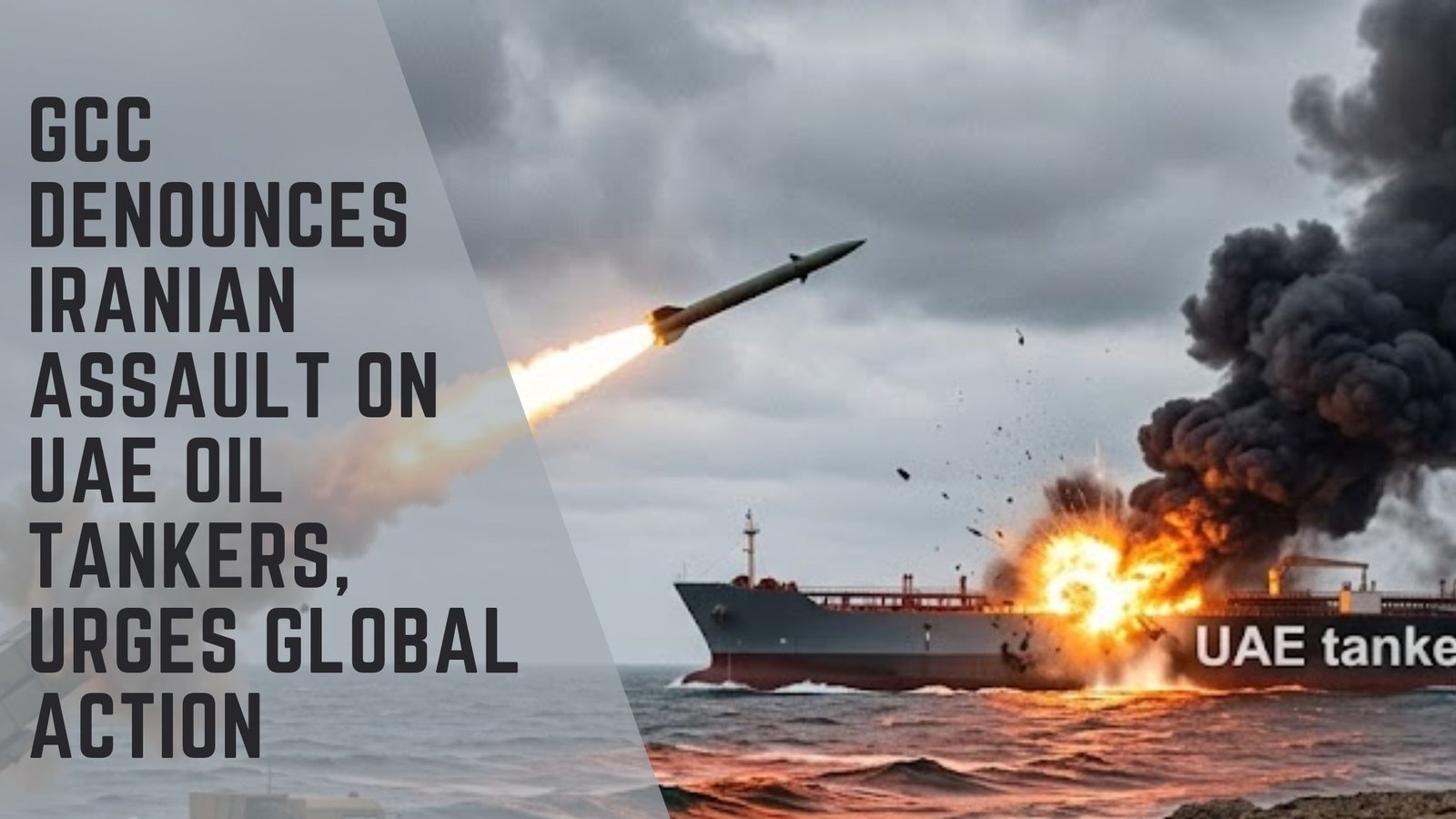
In a stern rebuke, Gulf Cooperation Council (GCC) Secretary-General Jasem Mohamed Albudaiwi has denounced a recent attack by Iran on UAE oil tankers. The incident involved the vessels Mombasa and Al Bahiyah, leading to the tragic death of a crew member and injuring several others.
Violation of International Law
Albudaiwi characterized the attack as a flagrant violation of international maritime law, asserting that it undermines the foundational principles guiding maritime navigation. He highlighted the breach of United Nations Security Council Resolution 2817, which mandates the protection of international shipping and prohibits the targeting of commercial vessels.
“This attack represents a clear defiance of international norms and a challenge to global peace and security,” Albudaiwi stated. He emphasized the importance of maintaining freedom of navigation, a critical component of the global economy.
Solidarity with the UAE
The GCC Secretary-General expressed unwavering support for the United Arab Emirates, affirming the council’s commitment to backing any measures the UAE might adopt to safeguard its national security and vital interests. He stressed the GCC’s unity in addressing threats to regional stability.
“The GCC stands firmly with the UAE, supporting its right to protect its sovereignty and ensure the safety of its maritime routes and economic interests,” Albudaiwi declared.
Call for International Intervention
Albudaiwi urged the international community, with a particular call to the United Nations Security Council, to take decisive action against Iran’s repeated aggressions. He advocated for a robust international response to deter further attacks and hold those responsible accountable.
“The international community must uphold its legal and moral obligations to ensure the safety of maritime navigation and deter further threats to global security and economic stability,” he urged. Albudaiwi called for a swift and unified response to prevent future incidents and safeguard regional peace.
Condolences and Support for Victims
Extending his heartfelt sympathies, Albudaiwi offered condolences to the family of the deceased crew member while wishing the injured a quick recovery. He underscored the human cost of such attacks and the urgent need for preventive measures.
“Our thoughts are with the families affected by this senseless violence. We stand united in our commitment to ensuring justice and preventing further tragedies,” he concluded.
Regional and Global Implications
The attack on the UAE oil tankers has broader implications for regional security and the global economy. The Gulf region is a pivotal hub for international energy supplies, and any disruption can have far-reaching consequences.
Analysts warn that continued maritime aggression could escalate tensions in the region, affecting global energy markets and international trade routes. The GCC’s call for international action underscores the urgency of addressing these threats to maintain stability.
A Call for Maritime Security
This incident has reignited discussions on the importance of maritime security in ensuring economic stability. The GCC’s response reflects a growing concern among regional and global actors about the need for enhanced security measures and international cooperation.
As the situation unfolds, the international community’s response will be crucial in shaping the future of maritime security and regional peace. The GCC’s call to action highlights the need for vigilance and proactive measures to safeguard critical maritime routes.