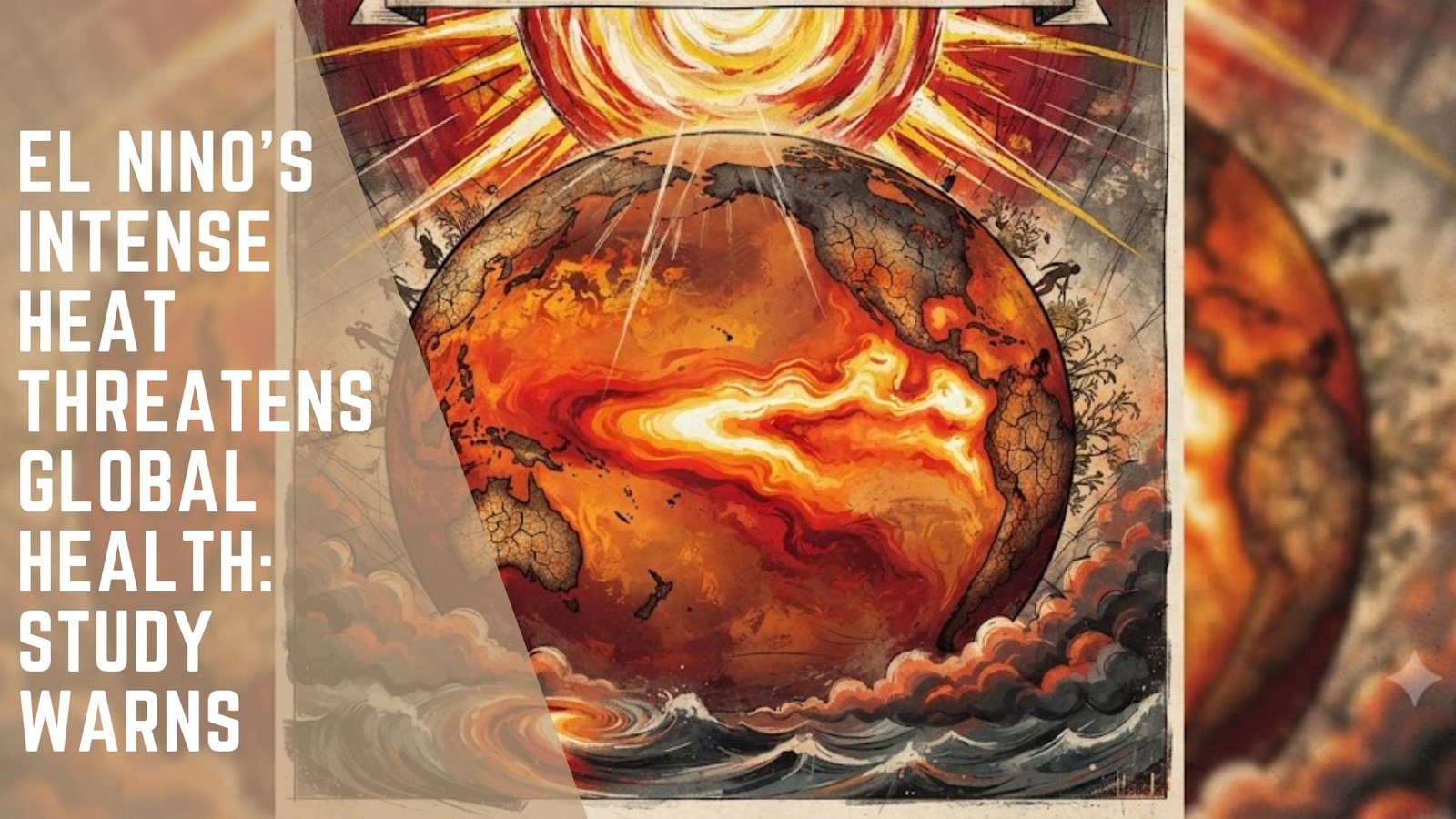
El Nino’s Escalating Impact on Global Mortality
Bengaluru, India: As the globe grapples with an exceptionally potent El Nino event, the resulting surge in global temperatures could lead to a staggering increase in heat-related fatalities. A recent study by the Climate Impact Lab, headquartered at the University of Chicago, projects that nearly 451,000 additional deaths could occur worldwide by February 2027 due to this climatic phenomenon.
Disproportionate Impact on Vulnerable Regions
The study highlights that the brunt of these fatalities will likely be borne by economically disadvantaged countries, particularly those already grappling with food shortages and elevated energy expenses, exacerbated by ongoing climate change and geopolitical tensions, such as the conflict in Iran.
Michael Greenstone, co-founder of the Climate Impact Lab and a co-author of the study, emphasized the enduring nature of the threat posed by this year’s El Nino. Although the current El Nino event is forecasted to conclude by February, its repercussions may extend into the subsequent summer months.
Heat-Related Mortality: A Global Concern
According to the research, the danger of heat is most acute in already warm and economically challenged regions. Greenstone noted, “In areas already experiencing high temperatures, even a slight increase can substantially elevate risks.” In contrast, more affluent regions generally possess greater access to cooling solutions, reliable water, and robust healthcare systems.
The study synthesized seasonal temperature forecasts with localized mortality data across over 24,000 regions globally. It compared potential heat-related deaths from El Nino-driven temperatures against those expected in a typical year, spanning from June 2026 to February 2027.
Regional Hotspots Identified
The findings indicate that the Global South, a term denoting developing nations, will endure the most severe impacts. The Sahel region in Africa, bordering the Sahara Desert, is anticipated to experience around 66,800 additional heat-related deaths.
Other significantly affected areas include South and Southeast Asia and parts of Latin America. The report forecasts approximately 19,400 extra deaths in countries like the Philippines, Vietnam, Thailand, and Cambodia, alongside 19,300 in Indonesia, 15,800 in India, and 13,300 in Brazil.
Preventive Measures and Strategic Interventions
In response to these alarming projections, the report suggests several preventive measures for governments. These include the implementation of heat-warning systems, establishment of cooling centers, distribution of hydration stations, and the expansion of healthcare facilities. Specific focus should be given to protecting outdoor workers and vulnerable populations, such as the elderly.
The study advocates for anticipatory financing, a strategy allowing governments to allocate resources proactively before heat waves peak, potentially saving countless lives.
Abhiyant Tiwari, a heat expert from NRDC India, underscored the importance of action-oriented responses. He stated that the true measure of preparedness lies in effective implementation of safety measures, not merely in issuing warnings.
El Nino and Climate Change: A Dangerous Duo
El Nino is a natural climate pattern, yet this year’s event occurs amidst a backdrop of human-induced climate warming, heightening the risks associated with extreme heat. The Climate Impact Lab estimates a 1.2 Celsius (2.1 Fahrenheit) increase in global land temperatures during this El Nino, resulting in 44% more extremely hot days than usual.
Such conditions could offer a glimpse into a future shaped by ongoing climate change. The report urges policymakers to leverage this opportunity to identify and implement emergency measures capable of saving thousands of lives.