Revolutionizing UAE’s Air Defense: A Commander’s Legacy
The development of the United Arab Emirates’ (UAE) air defense system has been significantly influenced by a former high-ranking Air Force commander whose strategic foresight and leadership have left a lasting imprint on the nation’s military capabilities. As geopolitical tensions continue to evolve in the Middle East, the UAE’s robust air defense stands as a testament to visionary leadership and tactical acumen.
Strategic Vision and Leadership
The former commander’s role in shaping the air defense was defined by a clear strategic vision that understood the necessity of a strong defense apparatus in safeguarding national sovereignty. His efforts were crucial in transitioning the UAE’s air defense from a modest force into a formidable system capable of countering a myriad of threats.
His leadership style emphasized not only the procurement of advanced technology but also the development of indigenous capabilities and the nurturing of local talent. This dual approach ensured that the UAE’s air defense was not only technologically advanced but also sustainable and resilient.
Technological Advancements
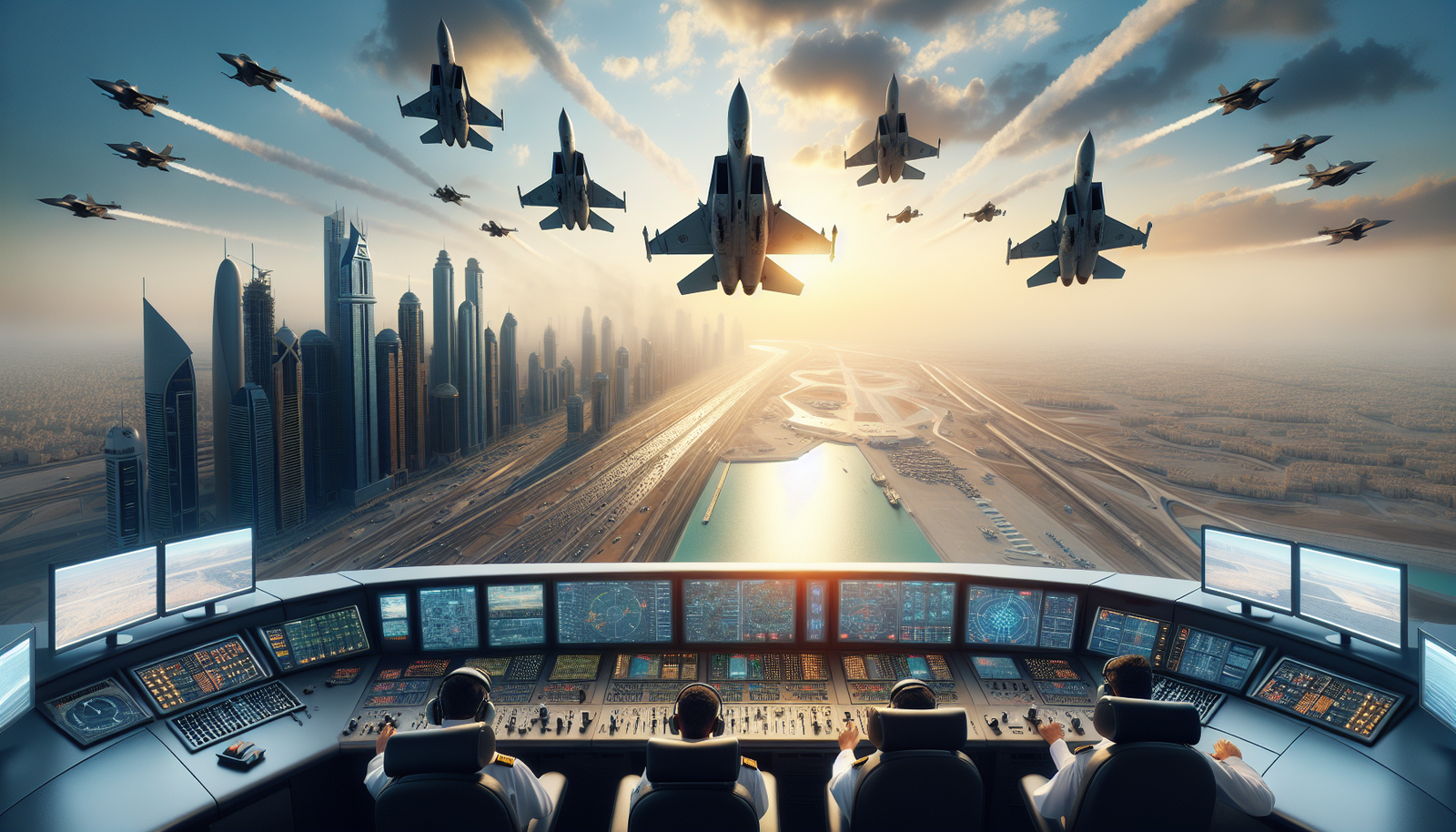
Under his tenure, the UAE invested heavily in acquiring cutting-edge technology. The integration of sophisticated radar systems, missile defense technology, and advanced fighter jets were prioritized to create a multi-layered defense network. These advancements were pivotal in positioning the UAE as a regional leader in air defense.
The commander was instrumental in forging strategic partnerships with global defense manufacturers, facilitating technology transfers, and ensuring the UAE’s defense systems remained at the forefront of innovation. This proactive stance in technology acquisition has permitted the UAE to maintain a strategic edge over potential adversaries.
Training and Development
Recognizing that technology alone cannot ensure defense readiness, the commander placed a significant emphasis on training and manpower development. Programs were established to enhance the skills and capabilities of UAE personnel, integrating them with the latest technology and defense systems.
These training initiatives included international collaborations and exchange programs that provided UAE personnel with invaluable experience and exposure to global best practices in air defense operations. This focus on human capital development has been instrumental in sustaining the UAE’s defense capabilities.
Regional and Global Impact
The former commander’s contributions have not only fortified the UAE’s defense capabilities but have also had broader regional implications. As the UAE continues to play a key role in regional stability, its enhanced air defense capabilities contribute significantly to collective security efforts.
Globally, the UAE’s air defense advancements under his guidance have positioned the nation as a key partner in international military coalitions, enhancing its strategic military relations with major powers and bolstering its influence on the global stage.
Legacy and Future Prospects
The legacy of this former Air Force commander is evident in the current state of the UAE’s air defense system, which stands as a model of strategic foresight and effective implementation. His efforts have laid a solid foundation for future advancements, ensuring that the UAE continues to adapt to emerging threats and technological changes.
Looking ahead, the UAE is poised to further enhance its air defense capabilities, building upon the foundations established during his tenure. Continued investments in technology and human resources, along with strategic alliances, will be crucial in maintaining and advancing the nation’s defense posture.