As UAE schools reopen following the mid-semester break, both government and private institutions are placing a heightened focus on bridging learning gaps and reassessing educational strategies. The resumption of classes on October 19, 2026, marks a pivotal moment for educators and students alike, emphasizing the importance of academic recovery and performance evaluation.
Varied School Calendars and Curriculum Adjustments
While government schools align with the Ministry of Education curriculum, private schools in the UAE operate under diverse academic calendars and regulatory frameworks. The flexibility provided by local educational authorities allows for variations in holiday schedules, particularly for those institutions not adhering strictly to the Ministry’s guidelines. Notably, private schools in Sharjah follow a distinct set of regulatory norms, further highlighting the regional differences in educational administration.
Targeted Assessment and Instructional Strategies
Salma Eid, a principal at a private school, underscores the critical role of data-driven teaching approaches as students return to the classroom. The emphasis on diagnostic and formative assessments is designed to pinpoint specific areas where students may struggle, enabling educators to tailor interventions that address these weaknesses. Eid emphasizes the importance of reassessing students to gauge the effectiveness of these interventions, ensuring that educational strategies are responsive and adaptive.
This approach necessitates a careful balance between completing curriculum requirements and addressing individual learning needs. Schools are urged to establish clear objectives for each class and subject, considering the nuances of varied curricula and educational stages. Families are encouraged to remain informed about assessment schedules and preparation requirements to support their children’s academic progress.
Implementing Support with Precision
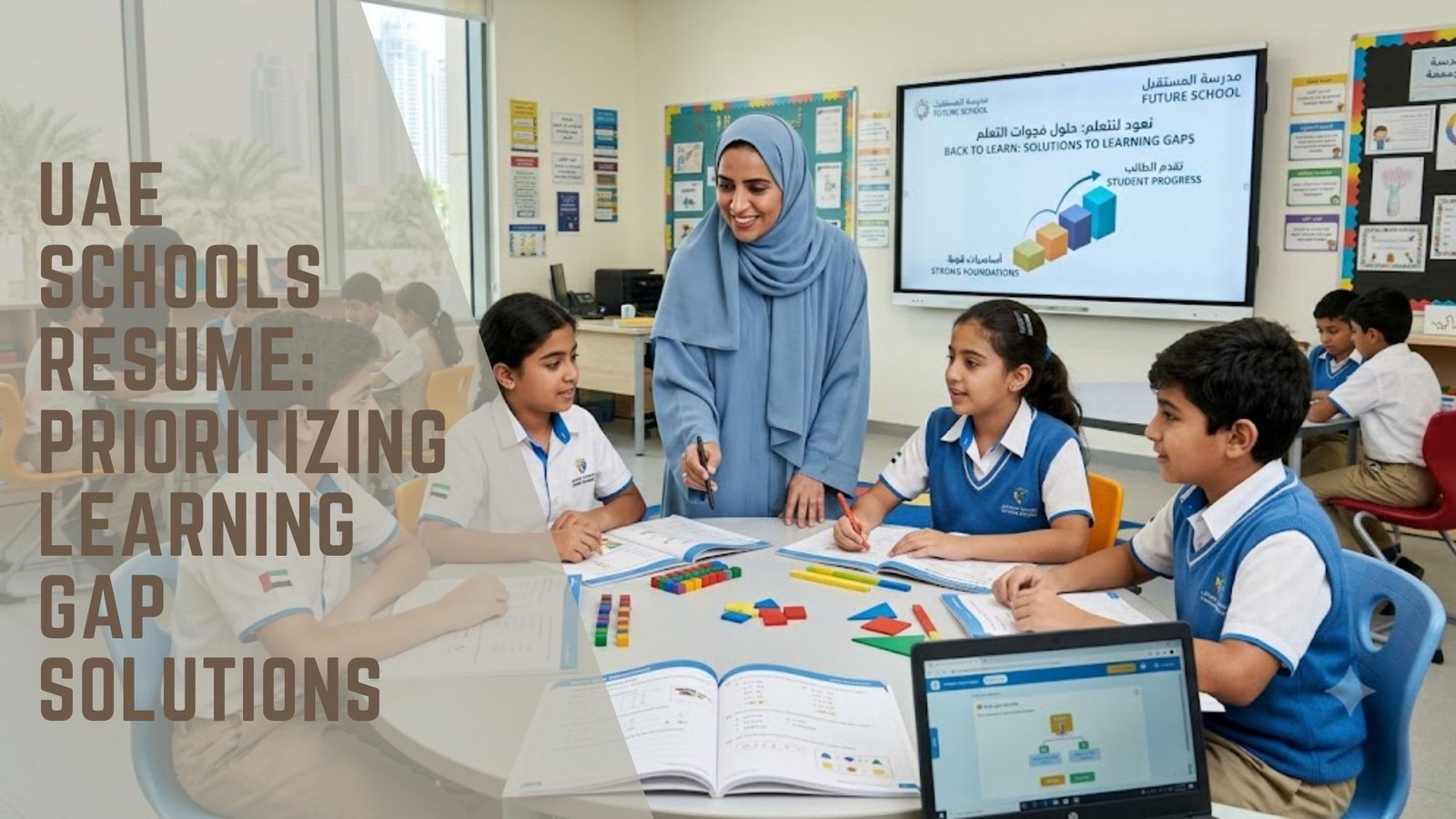
Mohammed Badawi, another private school director, highlights the importance of meticulously crafted support plans to tackle learning difficulties. Effective strategies begin with identifying the root causes of educational challenges, whether they stem from foundational skill deficits, language barriers, or inconsistent attendance. By linking interventions to specific skills and monitoring progress closely, schools can prevent the accumulation of learning gaps over time.
Badawi advocates for a proactive approach, including re-explaining key concepts, utilizing small group learning, and adapting teaching methodologies as necessary. Regular follow-ups ensure that these strategies are effective, helping students regain lost ground and prepare adequately for future assessments.
Parental Engagement as a Catalyst for Success
Nasser Al-Yasi, another educational leader, stresses the indispensable role of parents in supporting their children’s education during this critical period. Effective communication between schools and families is vital, providing parents with a clear understanding of their child’s academic strengths and areas needing improvement. Individual meetings serve as a platform for discussing performance and agreeing on actionable steps to enhance learning outcomes.
Al-Yasi also advises parents to create conducive study environments at home and maintain regular school attendance, emphasizing that missing early lessons could hinder students’ ability to keep up with the curriculum. By fostering a collaborative approach, schools and families can work together to ensure students are well-prepared for the remaining semester and upcoming assessments.
Strategic Planning for Academic Success
The upcoming weeks present an opportunity for UAE schools to address academic shortcomings systematically. By linking identified learning gaps with specific interventions and follow-up measures, educators aim to ensure that students are adequately prepared for final assessments. The focus remains on delivering targeted support and maintaining high educational standards, reinforcing the commitment to academic excellence in the UAE.