Ebola Outbreak Intensifies in Eastern Congo
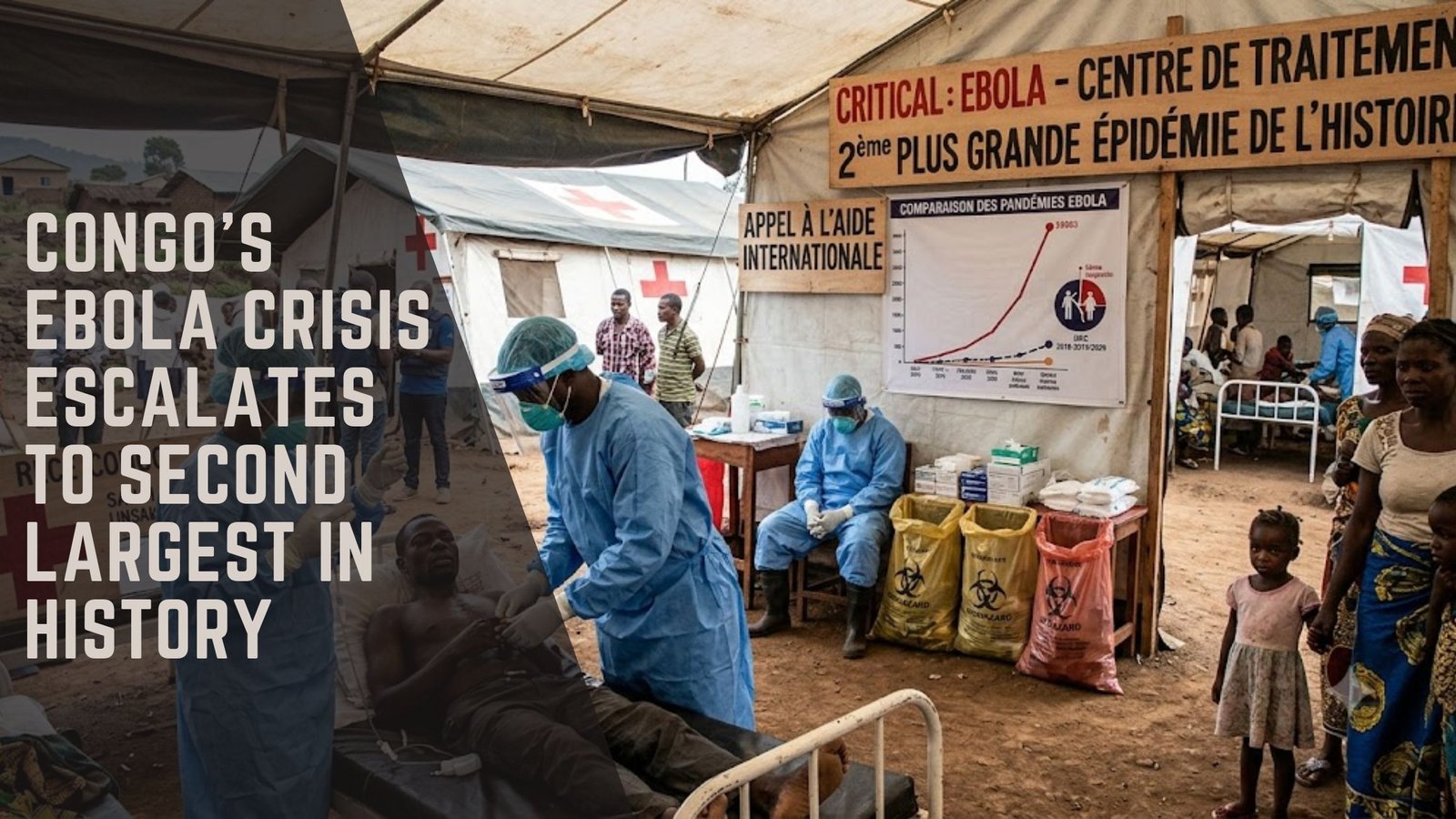
The Democratic Republic of Congo is grappling with a rapidly escalating Ebola outbreak, now officially recognized as the second largest on record globally. The Ministry of Health has confirmed that several provinces in the eastern part of the country are battling the virus, highlighting the urgent need for international assistance.
Escalating Case Numbers and Fatalities
According to the latest data released by the Communications Ministry, the outbreak has reached alarming levels with 3,532 confirmed cases accompanied by 1,556 fatalities. The numbers are a stark reminder of the epidemic’s relentless progression, with transmission rates continuing to outpace containment efforts.
Carl Skau, Acting Head of the UN World Food Programme, emphasized the severity of the situation, stating, “It’s the fastest-spreading Ebola epidemic that we have ever seen. The world needs to pay much more attention.”
Efforts to Control the Outbreak
Medical professionals and health authorities are engaged in an all-out effort to curb the spread of the virus. Intensive vaccination campaigns are underway, targeting residents in the most affected regions. The Ministry of Health has underscored the importance of these campaigns in preventing further transmission.
Surveillance and epidemiological teams are actively working to trace contacts and implement effective measures to isolate and treat new cases. Despite these efforts, the complexities of the region, including security challenges and community resistance, pose significant hurdles.
Historical Context and Global Implications
This outbreak now ranks as the second largest in history, surpassed only by the 2014-2016 West Africa epidemic, which claimed over 11,000 lives. The current crisis in Congo is drawing attention to the pressing need for global solidarity and support in addressing such public health emergencies.
The World Health Organization and other international bodies have been mobilizing resources and personnel to bolster local response capacities. However, the need for additional funding and logistical support remains critical.
Community Impact and Response
The impact of the outbreak extends beyond immediate health concerns, affecting the socio-economic fabric of the region. Communities are facing disruptions in daily life, with markets, schools, and agricultural activities all being affected by the epidemic.
Efforts are being made to engage local leaders and community groups to foster trust and collaboration. By involving community members in the response efforts, health workers hope to overcome resistance and misinformation that have hindered progress in some areas.
The Path Forward
As Congo continues to battle this unprecedented health crisis, the international community is urged to step up support, not only in terms of funding but also in sharing expertise, technology, and logistical assistance. The lessons learned from past outbreaks underscore the importance of a coordinated global response to curb the spread of such infectious diseases.
With continued vigilance and a unified effort, there is hope for controlling the outbreak and preventing future epidemics of this magnitude. The situation in Congo serves as a critical reminder of the interconnected nature of global health challenges and the collective responsibility to address them.