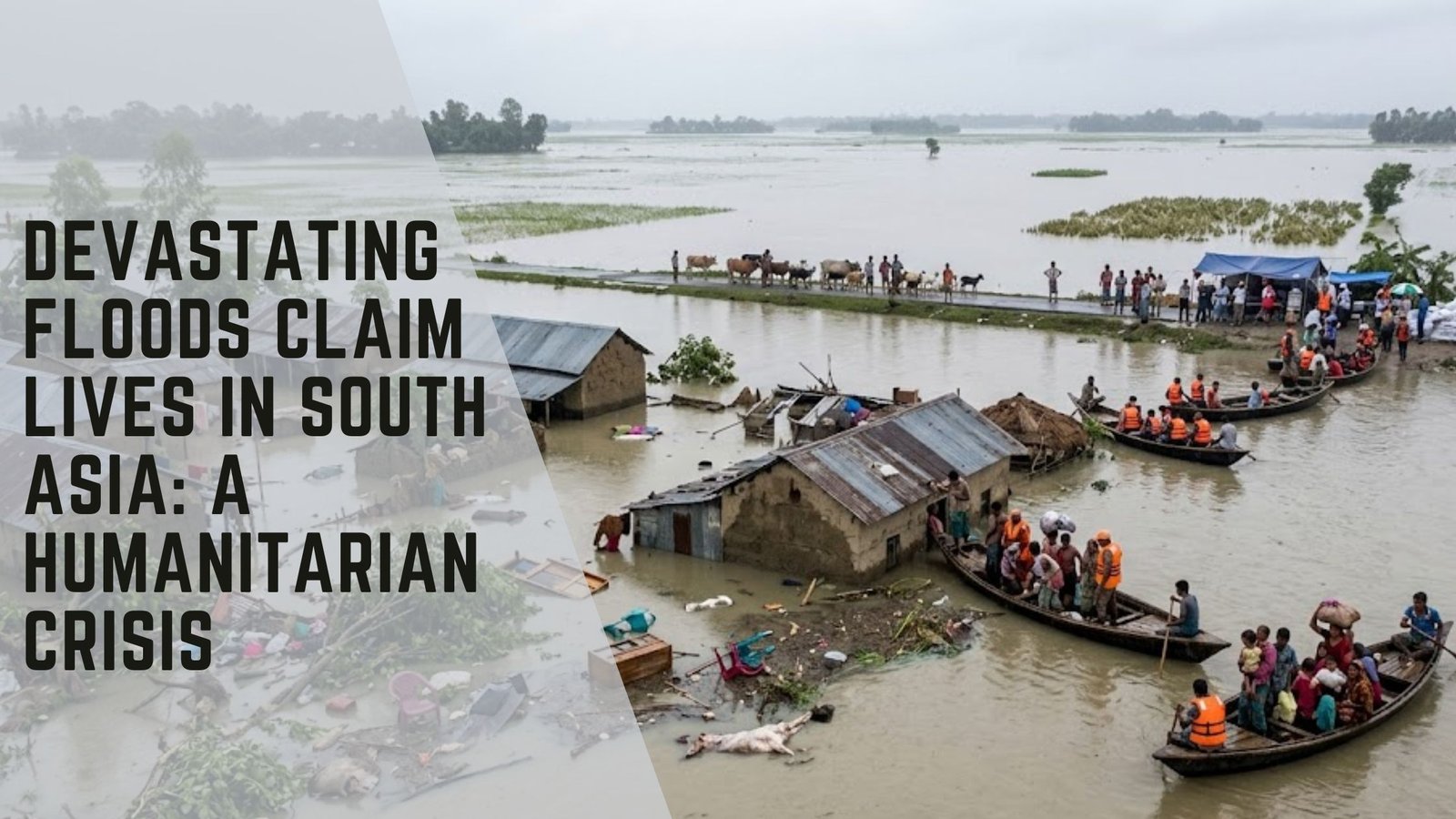
A severe weather event has resulted in the deaths of at least 82 individuals across northeastern India, Pakistan, and Afghanistan this week. Torrential rains have triggered catastrophic flooding, causing extensive damage to infrastructure, agriculture, and public amenities, according to regional authorities.
Assam: A State Overwhelmed by Water
In India’s northeastern state of Assam, the situation has escalated with 10 fatalities reported in the last 24 hours alone. This brings the week’s death toll to 36, marking what officials describe as an ‘unprecedented devastation.’
Impact on Local Communities
The floods have affected over 650,000 residents across 11 districts, according to the state’s disaster management agency. The heavy downpour in the adjacent state of Nagaland between July 18 and 20 has been identified as the primary cause of the flooding in Assam, leading to an abnormal surge in river levels.
Assam, traversed by the mighty Brahmaputra River, frequently experiences severe monsoonal flooding. However, this year’s deluge has been particularly destructive, exacerbating the vulnerability of local communities.
Afghanistan and Pakistan: Battling the Elements
Meanwhile, in Afghanistan’s northeastern province of Nuristan and Pakistan’s Khyber Pakhtunkhwa province, the situation is equally dire. Floods have claimed 46 lives and left over 100 injured over the past three days, as reported by disaster management authorities.
Testimonies from the Ground
“The floods have demolished homes and businesses. It’s total destruction. Rescue operations are underway to save those still trapped,” said Mujib ur Rahman, a resident of Nuristan’s capital, Parun.
Both Afghanistan and Pakistan are highly susceptible to climate change impacts, despite their minimal contribution to global emissions. Experts warn that these countries face increasing threats from extreme weather patterns, including intensified floods and droughts, glacier melts, and water scarcity.
Broader Implications and Response Efforts
The floods have highlighted the urgent need for enhanced disaster preparedness and climate adaptation strategies in these vulnerable regions. Humanitarian organizations are mobilizing resources to provide immediate relief, including food, shelter, and medical aid to the affected populations.
Long-term Strategies
Governments in the region are also being urged to invest in sustainable infrastructure that can withstand future climate-related disasters. This includes improving early warning systems and implementing community-based resilience programs to reduce the impact of such natural calamities.
International Assistance and Cooperation
International aid agencies are coordinating with local authorities to assess the situation and prioritize relief operations. The call for global cooperation in addressing climate change is stronger than ever, as these events demonstrate the far-reaching consequences of environmental neglect.
The human and economic toll of these floods underscores the critical need for collective action to mitigate climate risks and support the most vulnerable communities.