US-Iran Relations Reach Boiling Point
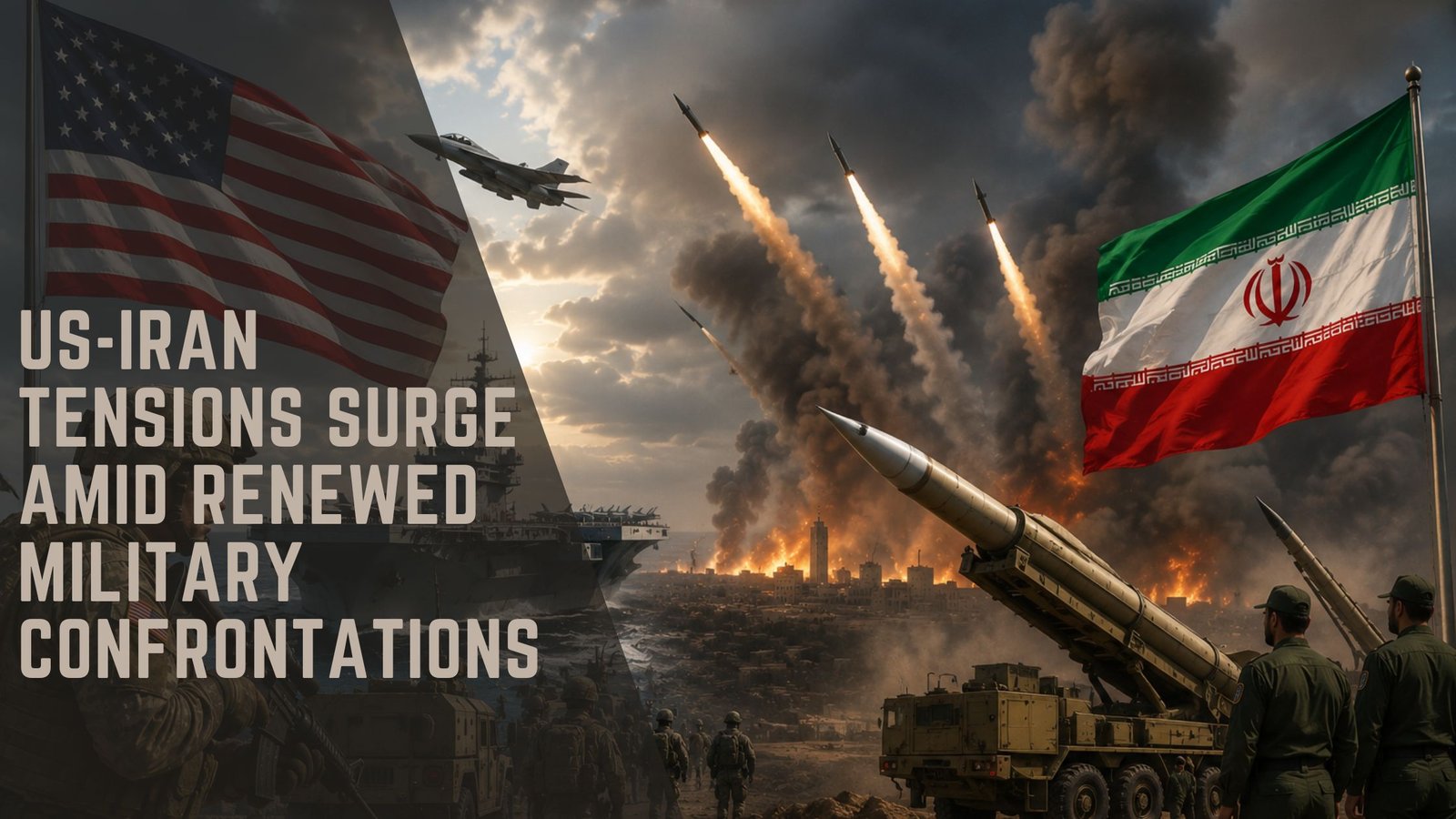
In a significant escalation of military tensions, U.S. President Donald Trump issued a stern warning that the United States might resort to additional military measures against Iran, following recent airstrikes targeting Iranian missile and drone depots. These actions come in the wake of a fragile ceasefire agreement that appears to be fraying rapidly amid accusations of violations by both nations.
US Strikes and Iran’s Response
According to President Trump, the recent military operations were directed at Iranian missile and drone storage facilities as well as coastal radar installations. The U.S. administration accused Iran of breaching the ceasefire terms agreed upon earlier this month, prompting these preemptive strikes. Trump cautioned that persistent violations could necessitate further military intervention, indicating that U.S. restraint has its limits.
In retaliation, Iran launched a series of missile and drone attacks targeting U.S. military bases in Kuwait and Bahrain. The Islamic Revolutionary Guard Corps (IRGC) claimed responsibility, asserting that these actions were retaliatory measures against the U.S. strikes on Iranian positions. The IRGC condemned the U.S. operations as breaches of the ceasefire, warning that continued military aggression would obliterate any prospects for diplomatic resolution and escalate the conflict.
Impact on the Gulf Region
The recent increase in hostilities has amplified concerns over the stability of the Gulf region, especially around the strategic Strait of Hormuz, a vital corridor for global energy transportation. Following a recent incident where a commercial tanker was targeted in the strait, the U.S. military conducted additional operations, attributing the aggression to Iranian forces. This development has heightened fears of a broader regional conflict that could disrupt international shipping lanes and affect global oil supplies.
Ceasefire Under Strain
The conflict has escalated despite a previously negotiated 14-point interim agreement designed to pause hostilities and reopen critical maritime routes. The agreement initially paved the way for sanctions relief and facilitated mediated discussions in Switzerland. However, trust has eroded rapidly as both sides accuse each other of violating the terms, leading to renewed military confrontations.
Broader regional dynamics have also been influenced, with reports from Israel indicating strikes on Iran-supported Hezbollah targets in southern Lebanon. This adds another layer of complexity to the already volatile situation, underscoring the potential for a multi-front conflict involving various regional actors.
Future Prospects and International Concerns
The ongoing confrontations between Washington and Tehran cast doubt on the durability of the ceasefire agreement and the likelihood of a peaceful resolution. Both nations have demonstrated a willingness to escalate military actions, raising alarms among international observers about the potential for a prolonged and widespread conflict.
Diplomacy appears to be on a precarious footing as military engagements intensify. The international community watches closely, concerned about the implications for regional stability and global economic repercussions. The situation necessitates urgent diplomatic efforts to de-escalate tensions and re-establish dialogue between the two adversaries.