GCC Appeals to UN Over Iranian Activities
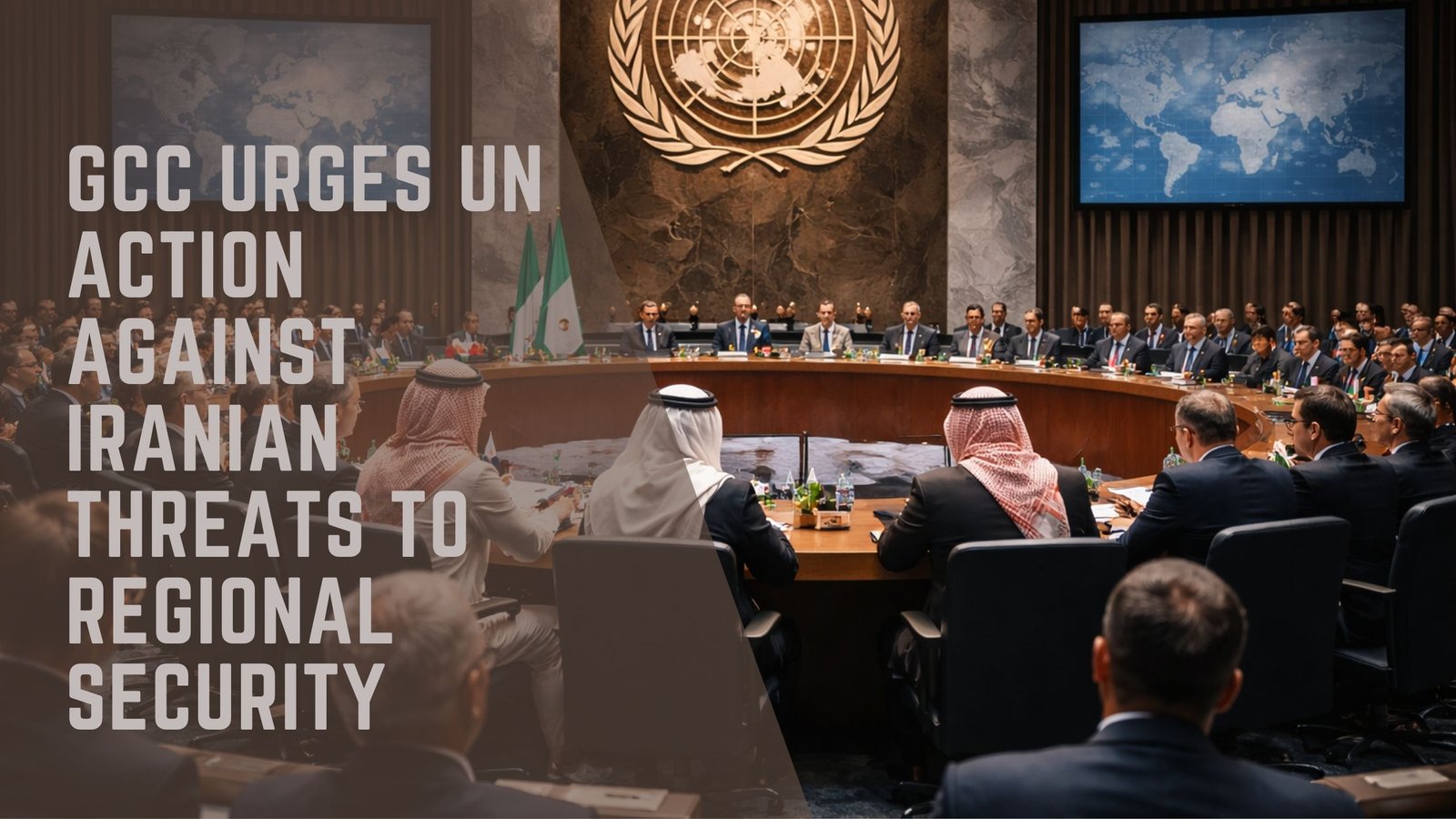
The Gulf Cooperation Council (GCC) has made a formal appeal to the United Nations Security Council to address and curtail what it describes as Iran’s ‘treacherous aggressions’ in the region. This call to action underscores rising tensions and concerns over Iran’s regional influence and military activities.
Background of the GCC’s Concerns
The GCC, a political and economic alliance comprising six Middle Eastern countries, has consistently voiced concerns over Iran’s actions, which they claim destabilize the region. The member states, including Saudi Arabia, the United Arab Emirates, and Bahrain, argue that these activities threaten their national security and sovereignty.
Iran’s support for various non-state actors, such as the Houthi rebels in Yemen and Hezbollah in Lebanon, has been a point of contention. These groups have been accused of engaging in aggressive activities that further regional instability. The GCC believes that Iran’s continued backing of such groups poses a significant threat not only to its member states but also to the broader Middle East.
Details of the GCC’s UN Appeal
In its appeal, the GCC emphasized the need for the Security Council to take immediate and decisive measures. The council’s Secretary-General, Nayef Falah Mubarak Al-Hajraf, articulated the urgency of this request, highlighting Iran’s alleged violations of international agreements and norms.
The GCC’s plea to the UN involves requests for increased international scrutiny and sanctions aimed at curbing Iran’s regional activities. The council believes that without intervention, Iran’s influence will continue to grow, further destabilizing an already volatile region.
International Reactions and Implications
The international community has shown mixed reactions to the GCC’s call. Some nations have expressed support for the GCC’s concerns, acknowledging the potential threats posed by Iran’s regional activities. Others have urged caution, advocating for diplomatic solutions and dialogue to address the underlying issues.
The United States, a key ally of several GCC members, has maintained a firm stance against Iran, supporting measures that seek to limit its regional influence. However, other countries, including some European nations, have called for a balanced approach that includes negotiations and potential diplomatic engagements with Iran.
The Path Forward for Regional Stability
As the GCC awaits a response from the UN Security Council, the focus remains on finding a sustainable resolution to ongoing tensions. The council continues to advocate for measures that ensure the security of its member states while seeking broader international cooperation to address the challenges posed by Iran.
The situation remains complex, with geopolitical implications that extend beyond the Middle East. The outcome of the GCC’s appeal to the UN could set a precedent for how the international community addresses similar regional disputes in the future.
Ultimately, the GCC’s call for action highlights the fragile balance of power in the Middle East and the ongoing struggle for influence and stability in one of the world’s most strategically important regions.